
If you’ve mastered the blue runs and are itching for a new challenge, black diamond runs might be calling your name. I remember the thrill of my first black diamond experience—my heart raced as I stood at the top, staring down the steep slope. It’s a whole new world that offers excitement and a chance to push your limits. But transitioning to these advanced runs isn’t just about courage; it requires preparation and skill.

Understanding Black Diamond Runs
Black diamond runs represent a thrilling challenge for advanced skiers and snowboarders. They feature steep slopes, varied terrain, and often tough conditions that test skills and confidence.
What Are Black Diamond Runs?
Black diamond runs are designated for experienced skiers and snowboarders. They often include steep pitches, moguls, and narrow paths. These trails demand precise control and advanced techniques. Typically, resorts use black diamonds to indicate runs with increased difficulty compared to blue runs. Familiarizing myself with these trails, I understood their unique features, including sudden drop-offs and mixed conditions.
Difficulty Level and Expectations
Expect increased challenges on black diamond runs. Steeper slopes illustrate a higher risk of falls and require better balance. Skill sets must expand to include quick turns and strong stopping techniques. I recall encountering varying snow types, from ice to fresh powder, making every descent unique. Embracing the adrenaline rush is crucial, as is preparation through practice on blue runs. Building confidence through gradual exposure helps in transitioning smoothly to these exhilarating runs.
Assessing Your Skills
Assessing your skills is vital before tackling black diamond runs. Understanding where you currently stand helps set realistic goals for your transition.
Identifying Your Current Proficiency
To identify your proficiency level, evaluate your performance on blue runs. Consider how you handle speed, control, and technical challenges. Can you make quick turns and maintain balance on varying terrain? Reflect on your experiences: if you confidently navigate blue runs, you’re likely ready for a deeper challenge. Test your skills by skiing or snowboarding on steep sections of blue runs to gauge your comfort with increased incline.
Key Skills Needed for Black Diamond Runs
Strong skills are essential for tackling black diamond runs. Master these key skills before your transition:
- Balance: Maintain consistent balance on uneven surfaces and during steep descents.
- Quick Turns: Execute sharp turns to navigate moguls and tree runs effectively.
- Edge Control: Learn to control your edges for smooth transitions between turns.
- Speed Regulation: Develop techniques for controlling speed, especially in steep areas.
- Confidence: Build confidence through practice and gradually increasing difficulty levels.
Focusing on these skills prepares you for the demands of black diamond runs. Prioritize practice and seek out diverse snow conditions to enhance your technique.
Preparing for the Transition
Preparing for black diamond runs involves understanding equipment needs and enhancing physical fitness levels. It’s essential to ensure that gear suits the challenges ahead and that my body is ready for the increased demands of advanced skiing.
Equipment Considerations
Choosing the right equipment is crucial. I focus on having skis or a snowboard designed for advanced performance. Equipment should provide good edge control and stability on steep slopes. Here are some key considerations:

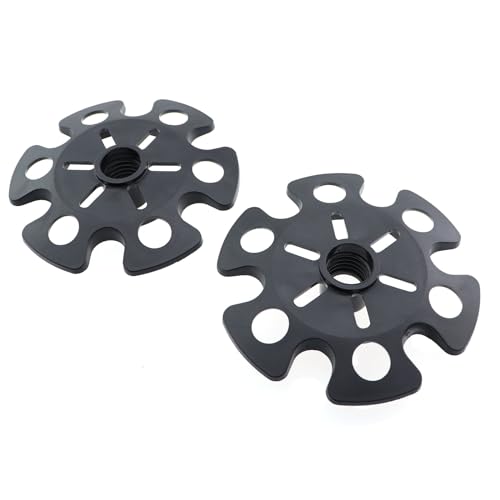


- Skis or Snowboard: Select a model that excels in varied terrain with a narrow waist for quick turns. Consider the length for stability while navigating steep pitches.
- Bindings: Ensure bindings are compatible with my boots and allow for easy release during falls. They should also support quick transitions between different terrains.
- Boots: Opt for boots that offer a snug fit and excellent support. This helps with precision in turns and comfort during long runs.
- Safety Gear: Use a quality helmet for protection and consider back protectors for added safety. Wrist guards can also be beneficial for snowboarders.
- Clothing: Dress in layers that wick moisture and provide warmth. Breathable, waterproof outer layers keep me dry and comfortable throughout the day.
Physical Conditioning and Training
Physical conditioning plays a vital role in the transition. I incorporate activities that strengthen key muscle groups used in skiing, enhancing balance and endurance. Consider these training tips:
- Cardiovascular Fitness: Engage in activities like running or cycling to improve stamina. This builds endurance for longer days on the slopes.
- Strength Training: Focus on lower body workouts, targeting quads, glutes, and calves. Exercises like squats and lunges help mimic movements needed for powerful turns.
- Balance Exercises: Practice balance drills, such as using a balance board or stability ball. These enhance my ability to control skis on challenging terrains.
- Flexibility Training: Incorporate stretching routines to increase flexibility. This aids in maintaining hot body control while maneuvering through narrow paths and moguls.
- On-Snow Practice: Finally, spend additional time on blue runs to refine my technique before tackling black diamonds. Gradual exposure to more challenging runs increases confidence and skill level.
Techniques for Success
Transitioning to black diamond runs requires refining specific techniques. Mastering these can make the experience exhilarating rather than overwhelming.
Improving Carving Skills
Carving represents a crucial skill for black diamond skiing. To improve this, I focus on engaging my edges through sharp turns. Keeping my weight centered over my skis allows for better control. Practicing on steeper blue runs helps build confidence while fine-tuning technique. I aim for smooth, clean arcs in my turns. Regular drills, like practicing parallel skiing on slightly inclined slopes, sharpen my edging skills. Adjusting my stance width and ensuring proper flex in my boots enhance my carving abilities. I often target tree-lined trails to develop precision and focus. In challenging conditions, staying relaxed and allowing my skis to flow aids in maintaining speed.
Mastering Steep Terrain
Navigating steep terrain demands a different mindset and strategy. I approach steep slopes by maintaining a lower center of gravity, which improves my stability. Initiating turns early gives me ample time to control my speed. I frequently practice skidded turns, allowing me to manage tricky sections with ease. Adopting a “look where I want to go” approach helps me stay focused, preventing distractions from the terrain. Additionally, flexing and extending my knees during turns promotes fluid movements. I often ride with more experienced skiers; they share tips and techniques that improve my performance. Practicing short runs repetitively builds muscle memory, enhancing my comfort level on steeper descents. Identifying and adapting my technique based on weather and snow conditions proves essential for success.
Safety Tips
Snow sports bring immense joy, but safety should always come first, especially when transitioning to black diamond runs. Understanding and applying safety measures can enhance my skiing experience and help avoid accidents.
Importance of Risk Management
Risk management involves recognizing potential hazards and making informed decisions. I assess conditions and my abilities before heading down a black diamond run. I always review weather forecasts and slope conditions to ensure they align with my skill level. I evaluate my recent practice on blue runs, and if confidence is low, I wait for a clearer day. Additionally, skiing with a buddy promotes safety, providing support in case of falls or injuries.
Essential Gear for Safety
Having the right gear is crucial for safety on challenging terrain. I prioritize wearing a properly fitted helmet, which protects my head while allowing me to focus on the run ahead. My choice of ski or snowboard is designed for advanced performance, ensuring stability and control. Supportive boots enhance comfort and help manage my movements effectively. I also carry safety essentials like a first-aid kit, a map of the area, and a fully charged phone. Wearing proper ski socks significantly increases comfort and reduces the risk of blisters, keeping me focused on the thrill of the descent.
Conclusion
Transitioning to black diamond runs is an exhilarating journey that pushes your limits and hones your skills. I’ve found that embracing the challenge makes every moment on the slopes worthwhile. With the right preparation and practice you can tackle these advanced terrains with confidence.
Remember to assess your skills and take the time to refine your techniques on blue runs. Building that confidence is key. Surrounding yourself with experienced skiers can also provide invaluable tips and support.
As you gear up for those thrilling black diamond adventures keep safety at the forefront. With the right mindset and preparation you’ll not only enjoy the ride but also grow as a skier. So grab your gear and get ready to embrace the challenge ahead!