
Imagine gliding effortlessly down a snow-covered slope, the crisp air filling your lungs as you carve through fresh powder. But what if you could turn that thrill into an uphill adventure? Snowboarding uphill might sound like a challenge, but with the right techniques and a bit of practice, you can conquer those inclines like a pro.

Understanding Snowboarding Techniques
Mastering snowboarding techniques is essential for snowboarding uphill. Gaining proficiency allows you to tackle any incline with confidence and ease.
The Importance of Balance
Balancing on your snowboard aids in controlling your movement while ascending. You should focus on distributing your weight evenly between both feet. Keeping your knees slightly bent engages your core, improving stability. Try shifting your weight towards your front foot to maintain momentum while navigating uphill. When executing turns, adjust your weight to the appropriate edge for better grip and control.
Edge Control Mechanics
Edge control plays a significant role in effective uphill snowboarding. You must use your snowboard edges to dig into the snow, providing traction as you ride. Initiate movement by applying pressure to the toes or heels, depending on the direction you want to go. Practicing quick transitions between edges helps you maintain grip and balance. Strong edge control allows you to handle varying snow conditions, ensuring a smoother ride uphill.
Equipment Essentials
Equipping yourself properly enhances the uphill snowboarding experience. Grabbing the right gear caters to your specific needs, boosting comfort and performance.
Choosing the Right Gear
You’ll want to opt for a snowboard designed for uphill riding. Look for a board that’s lightweight and has a rocker profile, as these features assist with maneuverability and speed. Don’t forget about your bindings; adjustable bindings allow for customized fit and comfort, which is crucial during long ascents.
When it comes to boots, select well-fitting, insulated options that provide both flex and support. Snowboard boots with a soft flex grant better movement for uphill travel. Layering your clothing also matters; use moisture-wicking base layers, insulating mid-layers, and waterproof outer layers to stay dry and warm throughout the trek.
Maintenance and Care
Keep your equipment in top shape for optimal performance. Regularly wax your snowboard edges to ensure smooth gliding over varied snow types. Inspect your bindings and boots frequently; tighten any loose screws and check for wear and tear. Clean your gear after each ride to remove snow and dirt, and store it in a cool, dry place.
Taking care of your equipment extends its lifespan. Pay special attention to seasonal tuning; it enhances edge control and grip for uphill traction. A well-maintained setup not only improves your performance but also keeps you safe while navigating those inclines.
Effective Methods for Uphill Snowboarding
Uphill snowboarding can be just as exhilarating as descending the slopes. Mastering specific techniques lets you enjoy those challenging inclines with confidence.



Basic Techniques for Beginners
- Snowboard Positioning: Position your snowboard diagonally to the slope. This angle helps you gain traction and control while moving uphill.
- Weight Distribution: Keep your weight centered over the board. Slightly shift your weight to the front foot to maintain momentum without compromising balance.
- Knees Bent: Bend your knees for better stability. This posture not only absorbs bumps but also keeps you balanced during your ascent.
- Short Steps: Take short, deliberate steps. This method conserves energy and enhances your control over the board on challenging terrain.
- Edge Control: Use the edges of your snowboard actively. Engaging the toe or heel edge lets you grip the snow better, especially on steeper inclines.
Advanced Techniques for Experienced Riders
- Heel-Edge Herringbone: Use a herringbone technique for steep sections. Position your board diagonally while using a series of heel-edge steps to climb effectively.
- Switch Riding: Incorporate switch riding into your uphill strategy. Practicing riding switch while climbing improves your overall balance and versatility on the board.
- Continuous Transitions: Practice seamless transitions between edges. Sharp, quick shifts enhance efficiency and adaptability in varying snow conditions, making your ascent smoother.
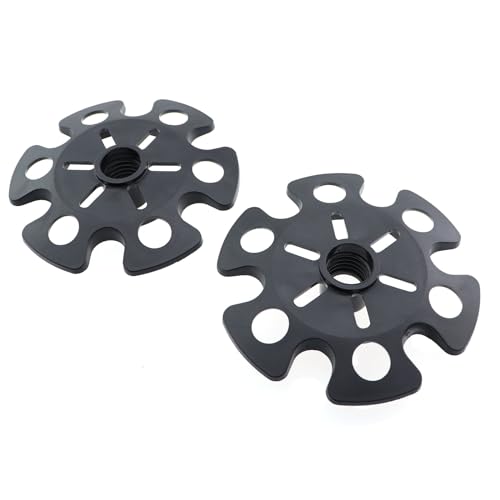
- Use of Poles: Incorporate ski poles for added stability and momentum. Poles can help propel you forward while providing additional balance on steeper terrain.
- Fitness and Endurance Training: Engage in off-snow fitness routines to build stamina. Enhanced physical fitness translates directly to better performance during uphill climbs.
Incorporating these methods transforms uphill snowboarding from a challenge into an exciting aspect of your snow sports experience.
Safety Considerations
Safety remains a top priority when snowboarding uphill. Engaging in this exhilarating pursuit comes with its own set of hazards. Staying mindful of these risks keeps every ride enjoyable and accident-free.
Recognizing Potential Hazards
- Avalanche Risk: You should always check the avalanche forecast in your area. Certain terrains and snow conditions increase the potential for triggering slides, especially on steep inclines.
- Terrain Features: Watch for obstacles such as rocks, trees, or other snowboarders. Staying aware of your surroundings helps avoid collisions and unexpected falls.
- Slippery Surfaces: Icy patches can form even on seemingly easy slopes. They can make climbing challenging and increase the risk of slipping. Tread carefully and maintain control with lower speed.
- Weather Changes: Sudden weather shifts can create new dangers. Cold temperatures and strong winds can reduce visibility or increase the chance of frostbite, so stay prepared.
Using Protective Gear
- Helmet: Always wear a properly fitting helmet. This essential gear protects your head, especially during unexpected falls or collisions.
- Wrist Guards: Invest in wrist guards to shield your wrists from injury. They’re especially handy when learning new techniques or navigating tricky spots.
- Knee Pads: Consider using knee pads for extra cushioning. They help absorb shocks when you lose balance or fall, keeping your focus on the ride.
- Goggles: Use goggles that fit well and provide clear visibility. They protect your eyes from wind, snow, and bright sunlight, enhancing your awareness of the terrain.
Conclusion
Snowboarding uphill opens up a whole new world of adventure on the slopes. With the right techniques gear and a bit of practice you can tackle those inclines with confidence. Remember to focus on your balance and weight distribution to maintain control as you ascend.
Don’t forget the importance of proper equipment and regular maintenance to keep your setup in top shape. Staying safe is crucial so make sure you’re aware of your surroundings and equipped with the necessary protective gear.
Embrace the challenge of uphill snowboarding and enjoy the unique thrill it brings to your snowboarding experience. Happy riding!