
Snow sledding is one of those simple joys that can turn any snowy day into an adventure. Whether you’re a kid or just a kid at heart, grabbing a sled and racing down a snowy hill is a thrill like no other. It’s an easy way to enjoy the winter outdoors and create lasting memories with friends and family.

What Is Snow Sledding? A Beginner’s Guide
You experience snow sledding as a winter sport where you ride a sled over snow-covered slopes. You choose from various sled types, including toboggans, plastic sliders, and traditional wooden sleds. You control your speed by shifting your weight and steering with your feet or hands, depending on the sled design. You find sledding most thrilling on hills with smooth, packed snow that allows for fast, safe descents.
You gain confidence by starting on gentle slopes before attempting steeper runs. You wear insulated, waterproof clothing and helmets for safety, ensuring you stay warm and protected. You prepare your sledding spot by checking the hill for obstacles like rocks and branches to avoid accidents. You enjoy snow sledding for its simplicity and adrenaline, making it a perfect activity to complement other snow sports you love.
History and Popularity of Snow Sledding
Snow sledding dates back thousands of years, tracing its roots to ancient civilizations in snowy regions. People in areas like Scandinavia and Siberia used basic sleds made from wood to transport goods and hunt over snowy terrain. Over time, sledding evolved from necessity to recreation.
By the 19th century, sledding became a popular winter pastime in Europe and North America. Towns and cities began organizing sled races and festivals. You find sledding especially appealing for its simplicity and speed, requiring only a hill, snow, and a sled.
Today, millions enjoy snow sledding worldwide, from casual riders on neighborhood hills to enthusiasts tackling steep, groomed slopes. You experience diverse sledding styles, from classic wooden toboggans to high-tech plastic saucers designed for speed.
Sledding’s accessibility and fun factor keep it popular among snow lovers of all ages and skill levels. You gain instant thrills and reconnect with winter’s pure joy without needing advanced skills or equipment. The sport continues growing thanks to community events, safety gear advancements, and shared online resources that make sledding safer and more exciting every season.
Types of Sleds for Beginners
Choosing the right sled enhances your snow sledding experience. Here are the main types perfect for beginners to get started with fun and control.
Traditional Toboggans
Toboggans offer a classic sledding experience with their long, flat design made of wood or plastic. You sit or lie down on a toboggan, steering by leaning side to side. Their size suits gentle slopes and group rides, making them ideal for beginners sharing the thrill. Their sturdy construction withstands rough snow and ice, so you can count on durability through many runs.
Saucer Sleds
Saucer sleds are round and lightweight, perfect for quick spins and easy handling. You sit in the center and steer by shifting your body weight. These sleds excel on smooth, moderate hills, granting you swift turns and a connection to the snow’s rhythm. Their compact size makes them easy to carry back uphill, increasing your runs without hassle.



Plastic and Inflatable Sleds
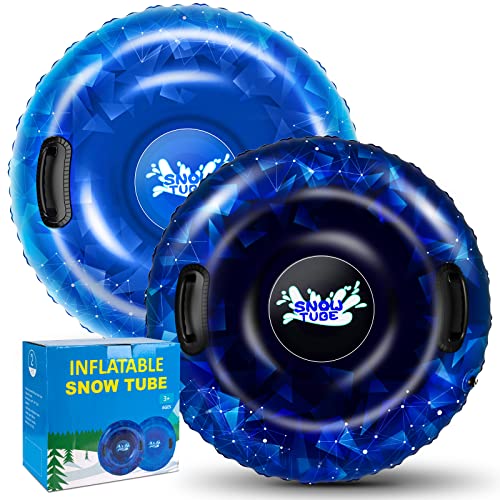
Plastic sleds come in many shapes like sliders or toboggan-like designs. They’re affordable, lightweight, and offer easy control with handles or built-in steering. Inflatable sleds add extra cushion for softer landings and a comfortable ride. Both types excel on gentle slopes and pack down small for easy transport, making them great options when space and convenience matter.
Essential Gear and Safety Tips
Gear up properly and follow safety steps to enjoy snow sledding while minimizing risks. Wearing the right clothing and taking precautions protect you from cold and injuries.
Clothing and Accessories
Dress in layers starting with a moisture-wicking base layer to keep sweat off your skin. Add an insulated middle layer for warmth and finish with a waterproof, windproof outer shell. Wear insulated, waterproof gloves and thermal socks to keep extremities warm. Choose a helmet designed for snow sports to protect your head from impacts. Sunglasses or clear goggles shield your eyes from snow glare and wind. Bring a neck gaiter or scarf to protect your face from cold air.
Safety Precautions
Choose hills with gentle slopes and clear paths to reduce the chance of collisions or sudden stops. Inspect the sled before use to ensure it’s in good condition without cracks or broken runners. Sit facing forward with feet first to maintain control and balance. Avoid sledding near trees, roads, or bodies of water. Stop immediately if you feel unsafe or out of control. Go with a friend so someone can assist in case of injury. Finally, know your limits and avoid risky maneuvers until you gain experience.
How to Choose the Right Hill
Finding the right hill makes all the difference in your sledding adventure. Look for a hill with a smooth, consistent slope that’s not too steep for your skill level. Gentle inclines under 30 degrees suit beginners best while still delivering a thrilling ride without overwhelming speed.
Check the hill’s surface for compact snow without ice patches or exposed rocks, sticks, and other debris. Clear snow lets your sled glide smoothly and reduces the risk of sudden stops or falls. Avoid hills that end near roads, trees, or frozen water to keep your run safe.
Opt for hills that offer an ample flat area at the bottom for an easy stop. This space helps you slow down gradually after each run, preventing collisions or falls. If the hill has multiple lanes, choose a less crowded one to give yourself room to maneuver.
Observe how the hill handles foot traffic. A well-used path often signals a safe choice, but too many sledders can create ruts that throw off your balance. Picking a spot with moderate use lets you enjoy a steady ride while sharing the fun with other sledding enthusiasts.
Finally, consider the hill’s accessibility. Make sure you can easily hike up without too much strain and that the area provides space to rest and prepare between runs. The right hill means more runs and more joy in every descent.
Basic Techniques for Snow Sledding
Mastering basic sledding techniques helps you enjoy the ride and stay safe on the snow. These skills form the foundation for improving control and having more fun as you gain experience.




Getting Started
Begin your sledding adventure by sitting or kneeling on your sled with your weight balanced. Sit upright on traditional toboggans or plastic sleds, keeping your feet forward and close together. On saucer sleds, kneel with your weight centered to maintain stability during spins. Always plant your hands firmly on the sled edges for better grip. Push off gently with your feet to start sliding while keeping your head up and eyes on the hill ahead. Practicing on gentle slopes helps you build confidence before tackling steeper runs.
Controlling Speed and Direction
Control your speed by shifting your weight and using your feet as brakes. Lean back slightly to reduce speed, and lean forward to accelerate gently. Dig heels or toes into the snow on either side to steer left or right smoothly. Dragging one foot in the snow slows you down gradually, while pressing both feet can bring you to a controlled stop. Avoid sudden movements to maintain balance and prevent accidents. Learning to steer by weight shifts and foot control prepares you for varied hill conditions and more challenging routes.
Tips for an Enjoyable Snow Sledding Experience
Choose your sled carefully to match your style and the hill’s conditions. A toboggan works great for relaxed rides with friends, while a saucer lets you spin and carve on steeper slopes. Plastic sleds offer excellent control and are easy to carry up the hill.
Dress in layers to stay warm and dry throughout your runs. Start with a moisture-wicking base layer, add an insulated midlayer, and top it off with a waterproof, windproof jacket and pants. Don’t forget insulated gloves and thermal socks—they keep your hands and feet comfy when the cold sets in.
Pick hills with smooth, gentle slopes under 30 degrees, especially if you’re starting out. Look for compact snow that’s not icy or cluttered with obstacles. Make sure the bottom has plenty of flat space to slow down safely without stopping abruptly.
Master your sled’s control before pushing limits. Shift your weight and use your feet to brake and steer effectively. Sitting or kneeling with a balanced posture helps maintain stability as you hit varying speeds and terrains.
Always wear a helmet to protect yourself from potential impacts. Keep an eye out for other sledders and stay clear of crowded lanes to avoid collisions. If you sled with friends, communicate regularly to coordinate runs and watch out for each other.
Plan breaks to warm up and hydrate between sledding sessions. Sledding can be surprisingly physical, and staying energized helps you enjoy every run without fatigue or chills. Bringing a thermos with a warm drink adds a cozy touch to your day.
Check your equipment before each outing. Inspect sleds for cracks or broken parts, and replace any damaged gear promptly to ensure safe rides. Proper maintenance preserves performance and keeps you confident on the slopes.
Conclusion
Snow sledding is a fantastic way to embrace the winter season and create joyful memories. With the right gear, a suitable hill, and a bit of practice, you’ll find yourself gliding down snowy slopes with confidence and excitement.
Remember to prioritize safety and listen to your body as you build your skills. Whether you’re out for a quick thrill or a day-long adventure, sledding offers endless fun for everyone. So grab your sled, bundle up, and enjoy the simple magic of racing through the snow!


