
When you’re racing down snowy hills with the wind in your face it’s easy to forget about something as simple as drinking water. Sledding feels effortless and fun but your body works harder than you might think. Cold air and thick layers can trick you into thinking you don’t need to hydrate.

Staying hydrated keeps your energy up and helps you enjoy every ride. Whether you’re out for a quick run or spending hours in the snow, paying attention to what you drink can make all the difference. Let’s explore why hydration matters even when the world around you is frozen.
Understanding Sledding Hydration: Why It Matters
You burn energy faster during sledding than while walking, especially when trekking uphill or pulling a heavy sled. Your body loses water as you breathe hard in cold air and sweat beneath insulated gear, even if you can’t see or feel it. Dehydration develops quickly in cold conditions since you may not feel thirsty but still lose fluids through exertion and insulated clothing.
Hydration impacts your energy and focus every time you sled. You notice quick fatigue, slowed reflexes, and even headaches if you’re not drinking enough. Cold air accelerates water loss from your lungs, especially after repeated runs, so your muscles start cramping sooner without steady fluid intake.
Every winter athlete tracks water intake for consistent performance. You avoid dizziness and muscle cramps more easily when you maintain hydration. Fluid balance keeps your mind sharp, which matters for safe, reactive sledding, especially on long, challenging slopes.
The Importance of Staying Hydrated While Sledding
You might not feel thirsty on snow-packed hills but hydration powers your best sledding runs. Missing out on water prevents your body from handling cold, steep climbs, and fast descents with energy and focus.
Effects of Dehydration in Cold Weather
Dehydration in cold weather limits your stamina and sharpness on the sled. Your body works harder to stay warm, losing water as you breathe out visible puffs. Even light sweating under thermal jackets drains moisture, raising your risk for dizziness and slower reaction times on tricky slopes. Muscle cramps and lingering headaches often signal dehydration if you’re out for hours in wintry conditions.
How Sledding Increases Fluid Loss
Sledding increases fluid loss with every climb, pull, and ride. Uphill hikes, dragging a weighted sled, and racing down slopes add up to rapid fluid loss, especially under insulated clothing that traps sweat. Heavy breathing after a big run releases more moisture than you’d expect, even in below-freezing air. Sledding sessions longer than 30 minutes noticeably raise your body’s water demands compared to casual winter walks.
Recognizing the Signs of Dehydration
Recognizing signs of dehydration helps you stay alert and energized during sledding. Even in cold weather, your body loses fluids fast.
Common Symptoms to Watch For
Spotting dehydration early makes your rides safer. You may notice these symptoms during sledding:


- Dry mouth or cracked lips after a few runs in the snow.
- Headache developing with continued activity or exposure.
- Increased fatigue, making each hill climb feel tougher.
- Dizziness or light-headedness when standing from a crouch.
- Dark yellow urine if you’re taking a break indoors.
Dehydration Risks for Children and Adults
Children and adults both risk dehydration, but effects differ. Kids lose fluids faster due to higher energy output per pound when sledding. They may ignore thirst or feel distracted by excitement. Adults experience slowed reflexes or muscle cramps, especially after long sledding sessions or when wearing insulating gear. Both groups boost their safety and performance by pausing for water every 20–30 minutes, regardless of thirst.
Tips for Maintaining Proper Hydration on the Slopes
Staying on top of hydration keeps your energy and coordination sharp all day on the slopes. Even if you don’t notice thirst, snow sports draw fluids fast.
Choosing the Right Drinks
Hydrating right means picking drinks that support your performance. Water covers basic needs for most sledding sessions, but you’ll feel the difference when you bring more options:
- Water for baseline hydration: Pack a large insulated bottle. If temperatures drop below freezing, choose one designed to prevent ice build-up.
- Electrolyte drinks for longer outings: Use low-sugar sports drinks or add electrolyte tablets for sledding sessions over one hour. This helps replace minerals lost from sweating under layers.
- Warm fluids for comfort: Carry a thermos with warm, caffeine-free tea or diluted hot apple cider. Warm drinks encourage regular sipping when cold air dampens your thirst cues.
Planning Hydration Breaks
Spacing out hydration keeps you fueled without disrupting your fun. Integrate these short pauses for steady energy and safety:
- Set time-based reminders: Drink every 20–30 minutes, especially during runs that last over 45 minutes or when moving uphill frequently.
- Buddy check-ins: Remind friends and kids in your group to stop for quick water breaks together. Group routines help everyone stay on track.
- Use visible cues: Place your bottle at the start or end of your sledding course. Visual reminders encourage you to take a drink whenever you reach these points.
Consistent hydration ensures you stay quick, alert, and ready for every run on the snowy hills.
Additional Safety Measures for Sledding
Gear up with well-fitted helmets, insulated gloves, and boots when you hit the sledding hill. Helmets protect your head from collisions with trees or icy patches. Gloves and boots keep your hands and feet warm so you keep a secure grip and good balance.
Scout the hill for hidden hazards like rocks, trees, fences, or water hazards before each run. Avoid overcrowded areas, especially where fast-moving sleds can collide.
Delegate one person as a spotter if you sled with friends or kids. Spotters warn riders of obstacles and alert others if someone wipes out.
Dress in layers to stay dry and trap warmth. Base layers wick sweat, mid-layers insulate, and waterproof outer layers block wind and snow. Choose bright colors so you stay visible from a distance.
Carry a compact emergency kit with adhesive bandages, instant hot packs, a whistle, and a charged cell phone in a waterproof case. These supplies keep you ready for unexpected scrapes or rapid temperature drops.
Set clear ride boundaries for children, marking off steep drops and thin-ice areas. Remind young sledders about the safest sitting positions and feet-first descents.
Pair the right sled with each rider’s size and age. Classic toboggans, saucers, and foam boards work well on open, gentle hills, while steering sleds increase control on steeper slopes.
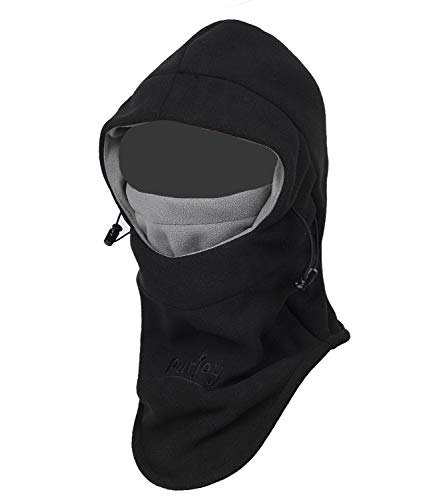
Factor in changing weather. Use windproof masks and goggles during gusty or snowy days. Heed early signs of frostbite or hypothermia—numb fingers, pale skin, or shivering—and retreat indoors for warmth at the first sign.
Check your gear and the hill routinely. Cracks in your sled or new icy patches increase accident risks if left unaddressed.
Combine these measures with regular hydration breaks so you sled longer while staying sharp, warm, and safe all day.
Conclusion
When you head out for a day of sledding remember that staying hydrated is just as important as dressing warmly or checking your gear. A little planning goes a long way—pack your favorite drinks set reminders for water breaks and keep an eye on your friends and family.
With good hydration habits you’ll feel more energized and alert so you can enjoy every ride down the hill. Make water a part of your sledding routine and you’ll get the most out of your winter adventures.