
After an epic sledding session your cheeks are rosy and your fingers might feel like icicles. The thrill of racing down snowy hills is unbeatable but the cold can sneak up on you fast. Once you head inside it’s time to focus on warming up and getting cozy again.

You don’t have to shiver for long. With a few simple steps you can shake off the chill and bring back that toasty feeling in no time. Whether you’re warming up solo or with friends you’ll want to make the most of those post-sledding moments.
Why Warming Up After Sledding Matters
Warm muscles help prevent stiffness after a sledding session. When you stay cold for too long, your muscles tense up, which increases discomfort and slows recovery. Quick warming techniques, such as moving indoors or layering up, ease the transition from cold to warmth and minimize soreness.
Dry clothes protect against chills that follow wet snow exposure. Changing out of damp socks, gloves, and base layers prevents heat loss and lowers your risk of hypothermia. Even brief exposure to wet clothing in cold air impacts your overall warmth drastically.
Hot drinks and snacks restore your energy fast. After hours in the snow, your body’s used up extra calories to keep you warm and active. Warm beverages and small meals raise your body temperature and replenish what sledding burns, making your next adventure more enjoyable.
Rest between outdoor activities keeps your circulation strong. Giving your body a chance to reset, stretch out, and recover maintains flexibility and keeps you ready for more runs. If you plan multiple sledding sessions, warm-up breaks keep your body happy and performance high.
Changing Out of Wet Clothes
As an avid snow sports enthusiast, you recognize the immediate relief that comes from getting out of wet sledding gear. Wet clothes cling to your skin, drawing away body heat. Stripping off your damp layers is the quickest way to stop chills after a sledding session, especially if you’ve been sitting on snow-packed hills or brushed against heavy snowbanks.
Switching into dry thermal base layers or fleece-lined sweats traps warmth close. Prioritize moisture-wicking fabrics like merino wool socks, insulated pants, and long-sleeve shirts. These selections outperform cotton, which stays wet and cold. If you’re with friends, use nearby indoor shelters, cars, or restrooms to change fast for better privacy.
Stash a change of clothes—including hats and mittens—in your car or a backpack before heading out. Pack extra shoes or boots in case yours get soaked. This small preparation step keeps your sledding experience energetic and comfortable, letting you jump back into snow play or unwind with a hot drink indoors.
Hot Drinks and Nourishing Snacks
Hot drinks restore body heat and comfort after every sledding session. You get quick relief with choices like hot chocolate, herbal teas, or freshly brewed coffee, which warm your core and hydrate after exposure to cold wind. Pick insulated travel mugs if you want your drinks hot while lounging at the cabin or in the car.


Nourishing snacks give your body the fuel it craves post-sledding. Choose snacks with complex carbs and protein, such as oatmeal cookies, energy bars, peanut butter sandwiches, or mixed nuts and dried fruit. Warm food, like soup or heated instant noodles, works best for steady warmth and satisfaction when hunger sets in.
Pairing hot drinks and nourishing snacks with warm clothes helps you relax, socialize, and get ready to hit the slopes again with renewed energy.
Gentle Indoor Exercises to Boost Circulation
Active movement indoors after sledding raises your core temperature and encourages healthy blood flow. You’ll recover much faster by helping your muscles relax and adjusting gradually to indoor warmth.
Stretching Techniques
Dynamic stretches prepare your body for restful recovery. Rotate your neck slowly side to side, perform shoulder rolls, and reach arms overhead to ease tension. Loosen legs with quad pulls, standing hamstring stretches, and gentle calf raises. Hold each stretch 10–20 seconds; repeat 2–3 times to target tired muscle groups.
Light Cardio Activities
Light cardio improves circulation and shakes off winter chill. March in place, do gentle high knees, or walk room to room at a brisk pace. Incorporate sets of jumping jacks or arm circles to keep limbs active. Spend 5–10 minutes on these activities; even brief movement re-energizes you after sledding fun.
Using Heat Sources for Comfort
Using external heat sources restores warmth quickly after sledding, making recovery more comfortable and enjoyable. A bit of focused heat soothes your muscles and helps you transition out of that deep winter chill.
Blankets and Heating Pads
Wrapping yourself in a thick fleece blanket insulates your body and traps heat, letting you relax after the slopes. Portable heated blankets, especially battery-operated models, work well for car rides home or warming up at the lodge. Many snow sport enthusiasts keep electric heating pads ready for sore muscles or cold extremities—just place one over your shoulders, back, or legs for fast relief. If space allows, stash spare throw blankets and a compact heating pad in your gear bag for easy access after every run.
Warm Showers or Baths
Stepping into a warm shower or bath delivers immediate, full-body comfort after sledding. The steady flow of hot water relaxes tense muscles and restores sensation in chilled fingers and toes. A hot bath with Epsom salts adds an extra layer of recovery, especially if your muscles feel worked after hours on snowy hills. Post-shower, slip into dry, cozy clothes and wool socks to lock in heat. In shared spaces, stagger shower times with friends for a smoother, warmer transition indoors.
Tips for Preventing Post-Activity Chills
Layering with intention keeps your body heat stable long after sledding. Add a down or synthetic puffy jacket over your thermal base, then top off with windproof outerwear—your favorite ski shell or snowboarding pullover works well on windy hilltops.
Changing into dry socks and insulated boots stops heat loss through your feet. Wool socks, snow boots, and boot warmers block the cold and moisture from seeping in, compared to thin cotton blends.


Moving around even after heading indoors keeps circulation strong. Do light jumping jacks, march in place, or swing your arms to activate large muscle groups and distribute warmth throughout your body.
Holding a mug of hot cocoa or spiced cider boosts warmth from the inside out. Sipping slowly brings gradual warmth, helping your core temp rise without overwhelming your system like a rapid temperature shift might.
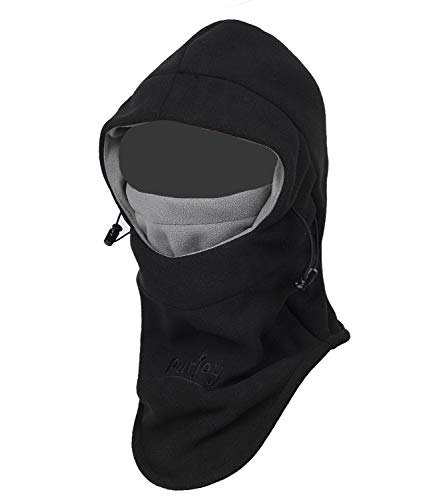
Wearing a warm hat covers your ears, reducing heat loss by up to 50% through your head, according to The Wilderness Medical Society. Choose fleece-lined beanies or trapper hats rather than thin knit hats for after-sledding comfort.
Packing hand warmers in your mittens fights chill in your extremities, where frostbite risk climbs fastest. Place one warmer per hand and one in each boot for continuous relief as you wind down.
Sharing these post-activity rituals with friends extends the fun and lets everyone enjoy the recovery. Swap stories while layering up, exchanging snacks, and trading tips for staying toasty after each sledding adventure.
Conclusion
Warming up after sledding isn’t just about comfort—it’s about making sure you’re ready for the next adventure. When you take a few moments to care for your body and cozy up with friends, you’ll end your sledding day on a high note.
So gather your favorite snacks, pull on those dry layers, and let the laughter continue indoors. With a little planning, you’ll keep the winter fun going strong and create memories that’ll last long after the snow melts.


