
When the snow starts falling it’s hard to resist the thrill of grabbing a sled and heading for the nearest hill. Sledding brings out your playful side and lets you soak up the beauty of winter’s wonders. But while you’re racing down those slopes it’s easy to forget that you’re sharing the landscape with wildlife and delicate plants.

Taking a little time to sled responsibly means you can enjoy the snow without leaving a negative mark on nature. With a few thoughtful choices you’ll help protect the environment and keep your favorite hills beautiful for years to come.
Understanding Responsible Sledding
Seeing snow-covered hills after that first fresh snowfall sparks real excitement, but protecting nature makes each ride even more rewarding. Responsible sledding means enjoying your time outdoors while making choices that keep trails, wildlife, and vegetation undisturbed. Every sled trip connects you to nature when you care for your surroundings.
Choosing established sledding areas helps you avoid damaging delicate ground cover. Picking spots without new grass or fragile plants, like heavily-used sledding hills or open clearings, limits your impact. Sticking to designated trails keeps habitats safe and allows you to avoid spots where wildlife may be sheltering under the snow.
Packing out your trash, including broken sled pieces or snack wrappers, keeps the area clean and safe for animals. Picking up litter left by others further helps maintain a pristine sledding environment. Carry a reusable bag for any trash or dropped items you find along your route.
Respecting posted signs and local guidelines plays a big role in preserving sledding hills. Rules often protect rare vegetation, animal homes, or prevent accidents, especially in high-traffic winter recreation spots.
Bringing friends who also enjoy winter sports? Encourage the group to follow these same guidelines, turning every outing into an example of how sledding and conservation go hand in hand.
Choosing the Right Location
Finding the best sledding spot lets you experience the thrill while showing respect for nature. You maximize your enjoyment and minimize your impact by picking locations with care.
Respecting Protected Areas and Wildlife
Sledding near protected areas, like nature reserves and wildlife corridors, threatens sensitive habitats. You avoid disrupting animals—including deer, foxes, and local bird species—by steering clear of these zones. You check local maps and obey posted signs to keep rare vegetation and wintering animals undisturbed. Groups like the National Park Service identify off-limits lands, so you review guidelines before heading out.
Assessing Terrain and Safety
You prioritize everyone’s sledding safety by choosing hills that match your skill level and sled type. Gentle slopes work best for beginners and kids, while seasoned riders target steeper, obstacle-free runs away from trees, rocks, or waterways. Before starting down, you scan the slope for hidden dips or snow-covered debris. You stick to slopes where sled trails already exist, reducing both accident risk and hillside erosion.





Preparing for a Responsible Sledding Trip
Responsible sledding in nature starts with how you plan and pack. Every decision on gear, clothing, and awareness affects both your safety and the environment.
Essential Gear and Clothing
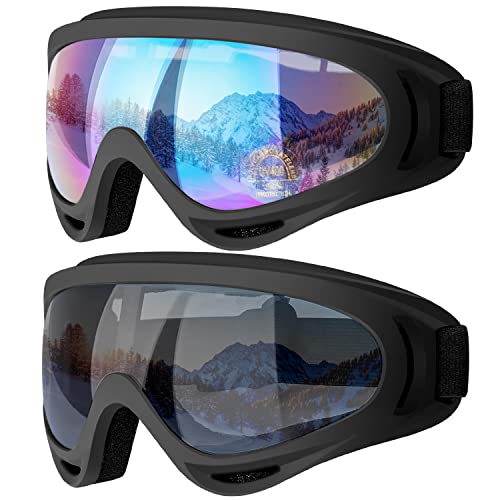
Proper gear and clothing let you sled safely while respecting natural surroundings. Choose classic or plastic sleds with smooth bases to limit trail erosion, skipping sharp-edged models that gouge vegetation. Wear insulated, moisture-wicking base layers, topped with waterproof jackets and pants to keep warm and dry. Add gloves, hats, and winter boots with solid treads for traction, and pack a compact first aid kit for cuts or bumps. Bring a reusable water bottle and snack container to keep waste off the trail. Store everything in a backpack to avoid gear left behind.
Weather and Environmental Considerations
Weather and snowpack conditions guide responsible sledding decisions. Monitor local forecasts and avoid trips during heavy snowfall or thaw, since shifting temperatures make trails unstable and increase impact on plants and ground. Check avalanche advisories from the National Weather Service when sledding near steep slopes. Wait for at least 6 inches of packed snow to sled, which protects sensitive terrain underneath. If ice, bare patches, or wildlife are present, move to another spot to protect both your group and the ecosystem. Always bring a map or GPS, since weather can change visibility fast in winter.
Best Practices While Sledding
You’ll get more from every snowy run if you practice mindful sledding. These best practices protect natural landscapes and keep each adventure fun and safe.
Staying on Designated Trails
You support healthy winter ecosystems when you use marked sledding routes. Designated trails, mapped by local parks or ski organizations, keep habitats undisturbed and concentrate use where snow cover is thickest. If you leave groomed paths, you risk damaging sensitive soil and vegetation hidden under snow. Stick with official trails, as they’re designed for safe sledding and easier rescue access if problems arise.
Minimizing Environmental Impact
You help preserve sledding spaces for future visits when you treat every run as a chance for stewardship. Pick up your trash, snack wrappers, and broken gear, carrying out everything you bring in. Smooth-bottomed sleds conserve snow by gliding instead of scraping, reducing erosion risk. Wait until snow is at least 6 inches deep before sledding to protect soil and plant roots. When you sled with friends, share these habits—group action sets a respectful tone for other winter sports lovers.
Sledding Etiquette and Safety Tips
Winter days on the hills bring shared excitement and the chance to connect with fellow nature lovers. Practicing good sledding etiquette and following safety tips keeps these moments fun and safe for everyone.
Interacting with Others in Nature
Familiarity with trail etiquette makes your sledding experience smoother and more enjoyable. Greet others when passing on the trail. Yield to uphill climbers—most people climbing need more space and control than those going downhill. Signal your runs by calling “sledding” before you go, especially in busy areas, to reduce collisions. Share space with hikers, snowshoers, and skiers, keeping your sled clear of crossing paths. Help new sledders by sharing safe practices, guiding them to established paths, and reminding them about respecting posted rules. Minimize noise near wildlife or quieter family areas to ensure everyone gets to enjoy the peace of winter.
Emergency Preparedness
Preparation for emergencies adds extra safety and confidence to your sledding adventures. Carry a compact first aid kit, including bandages, antiseptic wipes, and adhesive tape for minor injuries. Pack a whistle or signaling device to attract attention if you get separated or hidden from view. Keep a fully charged phone in a waterproof case for fast access to emergency help or navigation tools. Tell a friend or family member your sledding location and expected return time, in case weather changes or someone gets hurt. Bring extra food and a thermal blanket if you travel far from parking areas or the nearest shelter. Recognize signs of frostbite, hypothermia, or exhaustion—if you see numbness or shivering in someone, get them out of the cold and seek medical help.
Supporting Conservation Efforts
As a snow sports enthusiast, your sledding choices can fuel conservation in every season.



- Partnering with local organizations
Joining groups like the Sierra Club or local conservancies fosters hands-on involvement in trail maintenance, wildlife monitoring, and habitat restoration projects. You help fund supplies for these activities when you contribute membership fees.
- Practicing Leave No Trace principles
Adopting Leave No Trace guidelines such as removing waste, respecting wildlife, and minimizing sled impacts enables you to defend fragile habitats. Example actions include packing out wrappers, limiting sled runs to snow-covered routes, and avoiding contact with plants or burrows.
- Volunteering during the off-season
Volunteering on clean-up or replanting days with groups like the National Park Service lets you restore grassy sledding hills, repair winter trail damage, and meet others passionate about nature-friendly recreation.
- Sharing conservation knowledge
Discussing stewardship practices with friends or posting sledding etiquette tips on social media spreads awareness of responsible habits. Friends who follow your lead often help maintain trails and foster respect for natural sledding spots.
- Supporting local businesses
Choosing gear suppliers and outfitters that commit to sustainable practices—such as using recycled materials or reducing packaging—backs the businesses working for cleaner hills and healthy ecosystems.
| Conservation Support Method | Example Organizations/Actions |
|---|---|
| Partner with local groups | Sierra Club, local nature conservancies, trail days |
| Practice Leave No Trace | Carry out trash, use snow routes, avoid vegetation |
| Volunteer in off-season | National Park Service, habitat restoration, litter clean-ups |
| Share conservation knowledge | Social media posts, group discussions, sharing trail etiquette |
| Support sustainable businesses | Buy eco-friendly sleds, local gear shops with green policies |
Blending your winter adventures with these actions boosts conservation where sledding and nature meet.
Conclusion
When you choose to sled responsibly you’re not just enjoying the thrill of winter—you’re helping protect the places you love. Every mindful decision you make on the hill shapes the future of these beautiful landscapes.
Let your adventures inspire others to care for the outdoors too. By blending fun with stewardship you ensure that sledding remains a joyful tradition for years to come.