
Snow sledding isn’t just about racing down hills for fun—it’s a thrilling sport that brings out your competitive spirit and love for winter adventures. Whether you’re aiming for your first local race or dreaming about bigger competitions, sledding events offer excitement, challenge, and plenty of laughs along the way.

You don’t need fancy gear or years of experience to get started. All it takes is a bit of preparation, some determination, and a willingness to embrace the cold. Ready to feel the rush and see how you stack up against others? Let’s dive into what it takes to compete and make the most of every snowy run.
Understanding Snow Sledding Events
Snow sledding events gather different skills, sled types, and competitive challenges into a single winter tradition. You can find a variety of races, from classic downhill sprints to obstacle-filled courses. Each event centers around speed, control, and your ability to handle winter terrain.
Race formats include individual time trials, head-to-head heats, and team relays. Downhill sprint events, like those at local winter festivals, test straight-line speed. Obstacle or slalom courses, featured in Nordic countries, focus on maneuverability and precision. Team relays add a collaborative edge, with transfers adding an extra level of strategy.
Sled types impact your experience and performance. You see common designs such as toboggans for open runs, flexible flyers for groomed routes, and racing luges for steep tracks. Most events define allowed equipment—local clubs, like Lake Placid’s Winter Sports Club, publish these details on event flyers and websites.
Competition levels range from casual local outings to national championships. Entry requirements, registration fees, and safety equipment lists are usually provided by the organizing committee. USA Sledding, for example, lists helmets and full winter attire as standard safety gear at sanctioned events.
Rules and scoring set the tone for fair play. Organizers base rankings on fastest times, clean runs, or a points system. Disqualification can result from false starts or ignoring course boundaries, as observed by officials using cameras or spotters at checkpoints.
Many events combine community celebration with competition. You’ll often find music, food tents, and awards ceremonies to connect with others who share your passion for winter sports and adrenaline.
Essential Gear and Safety Tips
Succeeding in snow sledding events relies on having reliable gear and smart safety practices. Picking quality equipment and following safety rules keeps the thrill high and accidents rare.
Choosing the Right Sled
Select a sled that suits the terrain and event rules. Racing luges, foam saucers, and classic toboggans, for example, each handle speed and maneuvering differently. Match the sled’s weight and build materials to your skill level and the course—lightweight plastic sleds let you turn quickly but suit gentler slopes, while wood or metal sleds manage high speeds on packed snow. Review event regulations before you arrive since some competitions allow only approved designs.




Wearing Proper Winter Gear
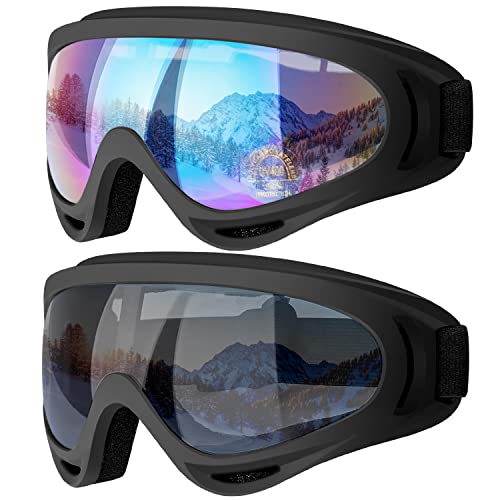
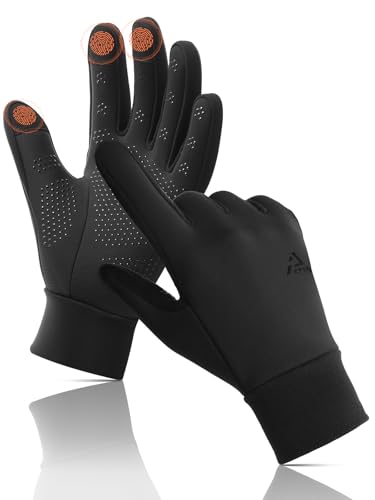
Layer thermal clothing and waterproof outerwear to preserve warmth, even when racing. Choose insulated gloves, moisture-wicking socks, and a windproof jacket—synthetic, fleece, and wool blends help manage sweat and weather. Fit snow boots snugly to avoid slipping, and always wear a helmet; organizers for events like the USSA National Sledding Championships make it mandatory. Goggles block out glare and protect your eyes from flying ice.
Safety Guidelines for Competitors
Follow event briefings and track markers without exception to minimize injury risk. Practice controlled starts and brake well before crowded turns; national sledding bodies cite collisions as a frequent source of injuries. Keep clear of finish zones after your run, and make sure your equipment gets checked by event safety officials if the guidelines require it. Carry a whistle or use hand signals—for example, crossing your arms—if you need assistance on the course.
Training and Preparation
Training and preparation give you a competitive edge in snow sledding events. Focusing on both physical conditioning and specialty skills helps you maximize fun and performance on race day.
Building Strength and Endurance
Building strength and endurance lets you tackle fast descents and challenging courses in snow sledding events. You engage your legs, core, and arms throughout a run, so exercises like squats, lunges, planks, and push-ups improve stability and stamina. Running, cycling, or cross-country skiing boost aerobic endurance for longer heats or relay races. Regular stretching supports flexibility, especially for quick maneuvering or unexpected bumps.
Practicing Sled Control and Techniques
Practicing sled control and techniques sharpens your steering, speed, and reaction time for competitive races. Running practice heats lets you explore hand placement, foot bracing, and weight shifting for efficient turns. Timing your starts from the gate improves acceleration in downhill sprints. Drilling cornering on various terrain teaches you to adapt to different snow conditions and obstacles. Testing emergency stops and safe dismounts minimizes mishaps and helps you respond confidently in crowded or unpredictable race environments.
Strategies for Competition Day
Competition day’s energy hits different when you’re surrounded by other snow lovers and ready to race. A strong plan lets you enjoy every moment and keeps you at your best, start to finish.
Navigating the Course Efficiently
Knowing the course changes your race. Walk the course first if organizers allow it and observe lines other racers choose—tight turns, loose patches, berms, and drops all matter. Scan for the fastest, clearest path while watching for hidden dips and ice. Visualize each section before you start and set clear markers in your mind for braking and acceleration points.
Keep your center of gravity low for stability, especially on corners. Shift your weight in sync with each turn and lean into curves without overcorrecting. Quick adjustments in posture add speed but boost control, so use body language more than arm steering. Responsive sleds, like racing luges or discs, react instantly to small movements, amplifying momentum on well-groomed tracks.
Managing Nerves and Staying Focused
Excitement and nerves go hand in hand at the starting line. Notice your breathing and slow it down before every run. Use short, calming breaths to control adrenaline. Picture your best practice runs as you wait, feeding your brain positive cues and blocking out distractions.
When the countdown starts, anchor your focus on just the first lane marker or curve. Block out everything except the immediate task so energy stays on your reaction speed and launch. Stay tuned in to race marshals and teammate signals, and reset your attention after each heat by stretching or shaking out your arms. Experience from past runs and genuine passion for snow sports always keep your head clear for the next challenge.





Common Mistakes and How to Avoid Them
Overlooking Course Walkthroughs
Skipping the course walkthrough leads to missed turns or unanticipated hazards. You don’t catch every jump or tight bend if you don’t walk the course first. Walk the track with a seasoned racer for insights on tricky patches or optimal racing lines.
Choosing the Wrong Sled
Picking a sled unsuited for the course affects your speed and stability. For example, using a toboggan on icy technical descents makes steering harder. Check event guidelines, compare sled types, and test your sled in similar conditions before competing.
Neglecting Gear Checks
Ignoring pre-race inspections often results in loose straps, blunt runners, or missing helmet buckles. These problems compromise your safety. Create a pre-race checklist and run through it before you head to the starting line.
Poor Weight Distribution
Leaning too far forward or backward slows your sled and causes balance losses in corners. You generally see newer sledders struggle with this during leaderboard heats. Practice dropping your center of gravity and adjust your body to match track dynamics on every turn.
Underestimating Safety Briefings
Missing or tuning out safety talks means you’re unprepared for race-day emergency procedures. Event staff share local slope hazards and safe passing protocols during these meetings. Take notes and ask questions if any part isn’t clear.
Panicking During the Race
Letting nerves or frustration take over makes you brake erratically, miss steering cues, or cut corners. Keep your breathing steady, focus on upcoming turns, and run mental checklists before launching downhill.
Ignoring Weather and Track Conditions
Discounting changes in snow texture or visibility leads to mid-run slips or poor control. For example, fresh powder or sudden wind gusts affect speed and visibility. Watch for posted weather updates, and be ready to adapt your racing tactics.
Cutting Training Short
Relying only on natural ability without honing techniques stunts your progress and raises injury risk. You spot the difference when well-practiced racers outpace casual participants. Lock in regular training sessions and seek feedback from advanced competitors in your local sledding club.
Conclusion
Snow sledding events offer a unique blend of excitement challenge and community that you won’t find anywhere else. Whether you’re racing for the podium or just looking to try something new you’ll find plenty of reasons to love the sport.
Embrace the adventure and don’t be afraid to push your limits. With the right mindset and preparation you’ll not only improve your skills but also create unforgettable memories on the snow. So grab your sled bundle up and get ready for an exhilarating ride.