
Finding the right fit for your goggles can feel overwhelming, especially if you wear glasses. You want your goggles to provide a snug, comfortable fit while ensuring your vision remains crystal clear. Whether you’re hitting the slopes or diving into the pool, it’s essential to find a solution that works for your unique needs.

Understanding Goggle Fit
Finding the right fit for your goggles is crucial, especially if you’re a glasses wearer. A snug and comfortable fit ensures you enjoy every second on the slopes without compromising your vision.
Importance of Proper Fit
Proper fit matters for multiple reasons. A well-fitted goggle creates a sealing barrier against wind and snow, ensuring comfort. With a secure fit, you reduce fogging and maintain clear visibility. Look for goggles designed with specific features for glasses wearers, such as larger frames or adjustable straps. Try on various models to see which shape aligns best with your face, as even minor differences can enhance your overall experience.
Effects of Poor Fit on Performance
Poorly fitting goggles can negatively impact your performance. If goggles sit too loose, they’ll shift around during high-speed runs, distracting you and risking injury. Gaps can let in cold air and moisture, leading to discomfort. Additionally, fogging becomes a major issue when the fit isn’t right, obstructing your view and preventing you from spotting hazards on the mountain. Prioritize a perfect fit to optimize your enjoyment and safety throughout your adventures.
Choosing the Right Goggles
Finding the right goggles as a glasses wearer is crucial for enjoying your time on the slopes. Proper fit ensures comfort, visibility, and protection from the elements.
Types of Goggles for Glasses Wearers
- Over-the-Glasses (OTG) Goggles
OTG goggles fit comfortably over your glasses. Look for models with a wide frame and ample internal space to accommodate your eyewear without pinching or discomfort.
- Prescription Goggles
Prescription goggles feature built-in lenses tailored to your vision needs. Many brands offer customizable options, allowing you to choose the lens tint and other specifics that work best for you.
- Sunglass-Compatible Goggles
These goggles work well with smaller eyeglasses or sunglasses. They generally offer a snug fit without bulky frames, making them a good option for those who prefer a compact setup.
Key Features to Consider
- Lens Quality
Ensure the lens offers UV protection and anti-fog technology. Such features enhance your visibility and reduce glare, allowing for a more enjoyable ride.
- Fit and Comfort
Look for adjustable straps and foam padding that create a secure seal around your face. Prioritize comfort for those long days on the mountain.



- Ventilation
Choose goggles with effective ventilation systems. Better airflow decreases fogging, optimizing your field of view in changing weather conditions.
- Frame Size
Pay attention to frame size compatibility with your face shape. A properly fitting frame prevents movement during high speeds, ensuring clear vision and protection.
- Lens Interchangeability
Some goggles allow you to swap lenses based on lighting conditions. This flexibility enhances your experience, letting you adapt to bright sun or flat light effortlessly.
Each feature helps you enjoy snow sports safely and comfortably. Prioritize these elements when selecting your goggles to maximize fun on the slopes.
Adjusting Goggles for Comfort
Finding the perfect fit for your goggles can elevate your snow sports experience, making your time on the slopes more enjoyable. Adjusting the straps and lens position can significantly enhance comfort and performance.
Strap Adjustments
Adjusting the straps is crucial for a secure fit. Start by loosening both straps and placing the goggles over your helmet or head. Tighten the top strap first, ensuring it sits comfortably around your head without creating pressure points. Next, adjust the bottom strap to create a snug fit without shifting the goggles during movement. Aim for a seal around your face to prevent cold air from seeping in and to reduce fogging. Look for goggle models with silicone grips on the straps for added stability and comfort.
Lens Position Adjustments
Lens position plays a vital role in both comfort and visibility. Position the lenses close to your face, allowing for an unobstructed field of view. Align the bottom of the lens with your cheeks for optimal fit. If your goggles come with interchangeable lenses, experiment with different tints for varying light conditions. Make sure the lenses sit properly in the frame to avoid distractions while you carve down the mountain. This adjustment ensures clarity and prevents fogging, making your runs safer and more enjoyable.
Testing the Fit
Testing the fit of your goggles is an essential step to ensure optimized performance on the slopes. With the right fit, you enhance comfort, vision, and your overall experience while skiing or snowboarding.
Techniques for Ensuring a Good Fit
- Try Them On: Always try goggles on with your glasses. Look for a snug fit that doesn’t pinch, and check for gaps that could let in wind or snow.
- Adjust Straps: Adjust the straps properly. Tighten the top strap first for stability, then the bottom strap for a snug seal around your face.
- Check Eyewear Compatibility: Ensure your glasses sit comfortably inside the goggles. Over-the-Glasses (OTG) models often provide better space for your eyewear.
- Position Lenses Correctly: Place the lenses close to your face for an unobstructed view. Experiment with different angles for comfort and visibility.
- Ventilation Check: Breathe into the goggles to see if they fog. A well-ventilated design minimizes fogging, ensuring clarity throughout your ride.
Identifying Common Issues
- Fogging: If your goggles fog up, reassess ventilation. Look for options with anti-fog technology and adequate airflow to keep vision clear.
- Shifting: If your goggles shift during movements, tighten straps and ensure they conform to your face’s shape. Proper adjustments prevent distractions while carving down the mountain.
- Pressure Points: Note any discomfort around your temples or nose. Adjust foam padding or try a different model if pressure builds up.
- Width and Height: Check if the frame size complements your face shape. A well-proportioned fit helps maintain a secure fit while reducing discomfort.
- Compatibility with Helmets: If you wear a helmet, ensure your goggles integrate well. Check for compatibility to prevent gaps and enhance insulation.
Follow these techniques to ensure your goggles fit perfectly, letting you focus on the thrill of the slopes without distractions.
Conclusion
Finding the right goggles as a glasses wearer doesn’t have to be a daunting task. With the right approach and a bit of patience you can enjoy your favorite activities without compromising on comfort or visibility. Remember to prioritize fit and functionality by exploring options specifically designed for your needs.
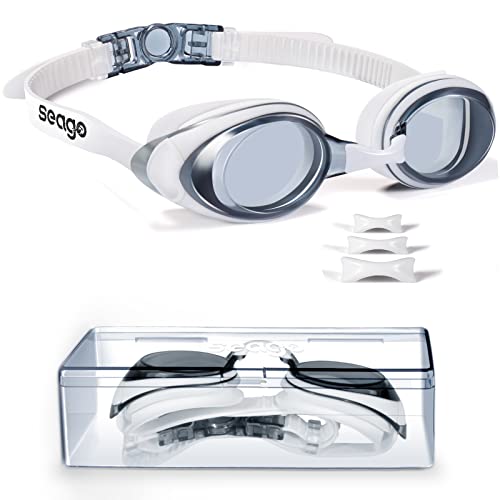


Don’t hesitate to try on different styles and make adjustments to ensure a snug fit that keeps the elements at bay. With the right pair of goggles you’ll be ready to hit the slopes or dive into the water with confidence. Enjoy every moment while keeping your vision clear and your experience enjoyable!


