
There’s nothing quite like the rush of sledding down a snowy hill, but if you’ve ever found yourself spinning out or crashing into a snowbank, you know control is everything. Mastering your sled isn’t just about speed—it’s about steering, balance, and knowing how to react when things get slippery.

With a few simple training drills, you can boost your confidence and sharpen your skills before you even hit the slopes. Whether you’re new to sledding or looking to up your game, these exercises will help you stay in control and make every ride more fun.
Understanding the Importance of Sledding Control
Controlling your sled in winter conditions shapes your entire sledding experience. Faster rides, sharper turns, and unpredictable surfaces demand precise sledding control every time you head downhill. Smooth steering and braking not only increase your chances of staying on course but also reduce risks of collisions or falls. Without active control, even seasoned snow sports enthusiasts can find themselves struggling with unexpected twists or soft snow pockets.
Efficient sledding control translates to better balance, which lets you adjust quickly as slopes change or paths curve sharply. Adjusting your center of gravity stops you from tipping when trails get bumpy or when sharing the run with other sledders. Confident control also encourages you to try new maneuvers, letting you safely explore challenging hills and build new skills each ride.
Mastering sledding control keeps your runs faster and more fun while reinforcing habits that help you avoid injury. Every controlled descent builds your instincts and reaction time, both essential for navigating busy slopes or variable snow. If you prioritize sledding drills that focus on control, you guarantee each downhill ride feels smoother, safer, and way more exciting.
Key Techniques for Mastering Sledding
Building reliable control on a sled boosts your confidence and keeps you ready for winter’s unpredictability. When you use key techniques every run, you set yourself up for smoother, faster, and safer rides.
Body Positioning and Balance
Finding the right body position improves your sledding control instantly. Sit upright so you react quickly to shifting snow and sudden bumps. Keep your knees slightly bent and your feet flat on the sled’s rails to stabilize your center of gravity—try shifting your weight forward for speed or back for more stopping power. Adjust your posture during turns by leaning into corners, which keeps your sled nimble and helps prevent tipping. Practicing balance drills on gentle slopes prepares you for steep banks and unexpected dips.
Steering and Braking Methods
Handling your sled’s direction and speed relies on practiced steering and braking. Grip the sled handles firmly, then steer by pressing with your feet or leaning gently to guide your path—use this technique to follow curves or avoid obstacles. Test multiple braking styles—dig your heels into the snow to slow quickly, or drag your hands lightly for gradual stops. Use quick taps of your heels for sharper braking on icy runs, and try alternating left and right tilts to master zigzagging on narrow hills. Controlled steering and confident braking make high-speed sledding much safer and more thrilling.
Essential Training Drills for Better Sledding Control
Stronger control on your sled transforms every run, blending safety with the rush of speed. Focus on drills that boost balance, sharpen reaction time, and refine control as you handle fresh snow or icy hills.
Balance and Core Strength Exercises
Balance and core stability drills support your sledding form. Planks, side planks, and single-leg stands challenge core muscles used in steering and absorbing bumps. Practice balance board routines or gentle wobble cushion holds to strengthen stabilizers, mirroring the shifts in weight you’ll make during tight turns. Engage your core while seated on your sled without moving, copying the tension needed to adjust quickly on steep slopes.



Reaction Time and Maneuvering Drills
Reaction and maneuvering drills sharpen your ability to dodge sudden obstacles. Set up cones or markers on flat snow to practice quick left-right swerves, moving fast between points to simulate dodging trees or other sledders. Incorporate simple reaction ball catches or lateral jumps, which condition your body to respond instantly when the slope changes or obstacles pop up. Repeat short bursts of rapid maneuvers to embed muscle memory.
Controlled Descent Practice
Controlled descent practice locks in your sled control down real slopes. Use gentle hills and release your sled in short glides, focusing on smooth braking and consistent speed. Try pausing mid-descent, then restarting under control, refining stops and starts as you go. Practice wide and narrow turns while descending, changing your position to steer precisely, always aiming for steady stops before reaching flatter areas. These drills build a confident, safe approach, even when snow conditions vary.
Safety Tips During Sledding Drills
Prioritizing safety during sledding drills lets you focus on fun and progress. Using a helmet prevents head injuries, especially during balance or maneuvering exercises. Wearing gloves and snow boots protects your hands and feet, even when practicing quick directional changes.
Selecting open slopes guarantees clear paths and reduces collision risks with obstacles or other sledders. Checking for hidden objects like rocks or ice patches ensures drills stay controlled on winter surfaces.
Practicing in pairs gives you a buddy to watch your technique, call for help, or signal after a spill. Communicating plans before each run builds trust and speeds up learning during sled training.
Warming up muscles with light stretching before drills prevents strains, bringing more comfort and control to each maneuver. Stopping at the first sign of significant fatigue avoids mistakes that often lead to falls or loss of sled control.
Monitoring weather conditions improves drill safety. Should temperatures drop quickly or heavy snow start, pausing your session keeps risk low during unpredictable winter moments.
Equipment Recommendations for Effective Training
Proper equipment supports every sledding control drill. Choosing reliable gear enhances your progress, safety, and overall confidence on the snow. As someone who’s spent countless winters chasing the best rides, I know the difference quality kit makes.
- Sleds
Lightweight, maneuverable sleds like foam or plastic models (e.g., Flexible Flyer, Yukon Hammerhead) help you practice turns and stops. Durable runners with responsive steering improve advanced drills. Avoid old, cracked sleds, since they reduce control.
- Helmets
Snowsport helmets (such as Smith Holt or Giro Ledge) protect against head injuries. Choose certified designs made specifically for snowy conditions to ensure safety during core, reaction, and speed drills.



- Gloves
Insulated, waterproof gloves (like Hestra or Burton Gore-Tex models) give you better grip on the sled and shield your hands on cold training runs. Reinforced palms boost braking and steering technique.
- Snow Boots
Grippy, ankle-supporting snow boots (examples: Sorel Caribou, The North Face Chilkat) stabilize your stance during descents and rapid changes in direction. Boots with firm traction keep you balanced through drills.
- Protective Layers
Thermal, moisture-wicking base layers and padded snow pants insulate your body while you practice on slopes. Windproof jackets help when training during gusty winter sessions.
- Training Cones and Markers
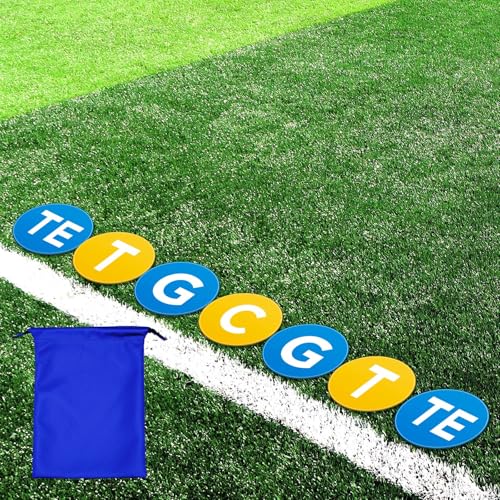
Bright, durable cones let you set up slalom courses and braking zones, making every drill both structured and challenging.
- Goggles
Anti-fog snow goggles (like Oakley O-Frame or Smith Squad) shield your eyes from glare or snow bursts, allowing for sharp vision and better control during fast runs.
Selecting gear tuned for sledding conditions means you can focus on mastering those drills, knowing you’re set up for safe and responsive rides.
Conclusion
With a little practice and the right approach you’ll notice your sledding skills improve with every ride. Staying mindful of your technique and safety gear helps you build the confidence to tackle new slopes and try out more advanced maneuvers.
Enjoy the process of learning and don’t be afraid to challenge yourself. The more you train the more fun you’ll have—and every run will feel even more rewarding.