
As the sun warms the slopes and transforms the snow into that delightful corn texture, it’s time to hit the mountain with confidence. Skiing corn snow can be an exhilarating experience, but it does come with its own unique challenges. Mastering this type of snow can elevate your skiing game and make those spring days unforgettable.

Whether you’re a seasoned skier or just starting out, knowing the right techniques can make all the difference. From carving smooth turns to maintaining balance, these tips will help you navigate the soft, granular surface like a pro. Let’s dive into the top techniques that’ll have you gliding effortlessly through the corn and enjoying every moment on the slopes.
Understanding Corn Snow
Corn snow presents a unique skiing experience, evolving from regular snow into soft, granulated textures under the sun’s warm embrace. Enjoying corn snow requires understanding its characteristics and adapting your techniques to ensure a thrilling ride.
What Is Corn Snow?
Corn snow, often found in late spring, forms when daytime temperatures rise, melting the snow slightly. Overnight freezes lead to a re-freezing process, creating small, round granules resembling corn kernels. This soft texture enables you to glide on the slopes while allowing for greater control during turns.
Key Characteristics of Corn Snow
- Granularity: Corn snow features a distinctive granular structure, which differs from powder or ice. This composition provides a forgiving surface for skiers.
- Temperature Sensitivity: Corn snow is most prominent when daytime warmth melts it and night freezes it. Ideal skiing conditions develop during late morning when the snow becomes soft enough to carve.
- Variable Conditions: The quality of corn snow shifts throughout the day. Early morning offers firmer snow, while midday presents softer, more forgiving conditions perfect for making precise turns.
- Improved Skiding: This snow surface allows for enhanced sliding and less resistance compared to other types. Skiers can perform smooth, fluid motions, especially when transitioning from one turn to another.
Essential Gear for Skiing Corn Snow
Having the right gear is crucial for maximizing your enjoyment while skiing on corn snow. This unique snow texture requires specific equipment and clothing choices to enhance your performance and comfort on the slopes.
Ski and Equipment Recommendations
- Skis: Choose wider skis designed for soft snow. A design with a waist width of at least 85-100 mm provides better floatation in the granular texture.
- Bindings: Opt for bindings with a strong retention system. This ensures your safety and performance, especially during quick turns or variable conditions.
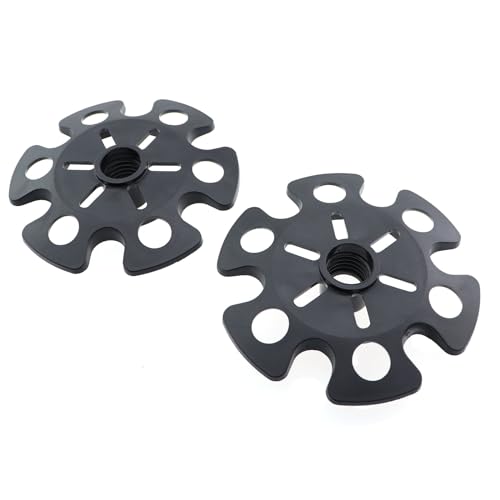
- Poles: Select lightweight aluminum or carbon poles. These allow for quick adjustments and smooth transitions as you navigate through the soft granular surface.
- Goggles: Use high-visibility goggles with interchangeable lenses. A low-light lens for morning runs and a tinted lens for midday ensures clear vision in changing light conditions.
- Helmet: Invest in an adjustable helmet with venting. It will keep you safe while allowing airflow as you work up a sweat.
Clothing for Comfort and Performance
- Base Layer: Wear moisture-wicking base layers. These materials keep you dry and comfortable as the temperatures fluctuate with the sun.
- Insulating Layer: Choose a lightweight fleece or down jacket. This layer keeps you warm without bulk, allowing freedom of movement on the slopes.
- Outer Layer: Select a waterproof, breathable shell jacket and pants. This outer layer protects you from wind and moisture while offering breathability as you exert energy.
- Gloves or Mittens: Go for insulated gloves or mittens with a waterproof shell. Proper hand warmth maintains your dexterity while gripping poles and adjusting gear.
- Socks: Use ski-specific, warm, and moisture-wicking socks. These prevent blisters and keep your feet warm for all-day comfort.
With the right gear tailored for skiing corn snow, you can confidently carve through the granular terrain, focusing on the thrill of the ride rather than the discomfort of inadequate equipment.
Top Techniques for Skiing Corn Snow
Skiing corn snow can be an exhilarating experience, offering a unique surface for carving and enjoying the slopes. Mastering essential techniques helps you navigate this soft granular texture with ease.
Weight Distribution
Weight distribution plays a key role in your performance on corn snow. Center your weight over your skis to maintain balance while carving. Shift slightly forward to engage the tips of your skis, allowing them to bite into the softer snow. As you turn, gradually increase the weight on your edges, helping you achieve smooth and fluid transitions. Keeping a balanced stance ensures you respond quickly to changes in terrain.
Turn Techniques
Executing turns effectively on corn snow requires finesse. Start each turn by actively engaging your core to initiate movement. Use gentle, progressive pressure on your edges throughout the turn, adjusting your stance based on the slope’s pitch. Lean into your turns, using your knees to absorb bumps and maintain stability. Focus on smooth transitions rather than aggressive turns; this allows you to glide effortlessly across the surface, maximizing your control.
Speed Control
Control your speed with strategic techniques tailored for corn snow. Apply subtle pressure on your edges during turns to regulate your speed and prevent skidding. Maintain a consistent rhythm in your movements, allowing you to adapt quickly to any changes in the snow’s texture. If you feel your speed increasing, utilize a skidding technique or engage in a wider turn to help slow down. By managing your speed effectively, you can enjoy a more comfortable and enjoyable ride on the slopes.



Safety Considerations
Staying safe while skiing corn snow enhances your enjoyment and helps ensure an exhilarating experience. Here are a couple of key points to keep in mind.
Avalanche Awareness
Avalanche danger exists even during spring. Corn snow can mask unstable layers beneath the surface. Check local avalanche advisories before heading out, and know the terrain. Look for signs of instability, such as recent cracks or audible sounds. Carry safety equipment like a beacon, probe, and shovel, and consider skiing with a partner. Familiarize yourself with proper rescue techniques to stay prepared for any situation.
Conclusion
Skiing on corn snow can be an exhilarating experience when you’ve got the right techniques and gear. Embrace the unique challenges it presents and remember to focus on weight distribution and balance for those smooth turns. With practice you’ll find joy in the forgiving nature of corn snow as you carve down the slopes.
Don’t forget to stay safe and informed about avalanche risks. By being prepared and skiing with a buddy you’ll enhance your experience and confidence on the mountain. So gear up and get ready to enjoy the thrill of skiing corn snow this season!