
Few things match the thrill of racing down a snowy hill on a sled. The laughter and excitement make winter days unforgettable, but a little preparation goes a long way in keeping the fun safe for everyone. Before you grab your sled and head for the nearest slope, it’s smart to pause and check a few essentials.

A quick safety check doesn’t take much time, but it can make all the difference. With just a bit of planning, you’ll avoid accidents and enjoy every run with peace of mind. So before you take off, let’s make sure you’re set for a safe and memorable sledding adventure.
Importance of a Safety Checklist Before Every Sledding Run
As a snow enthusiast, your safety checklist guides every sledding adventure. Each step supports a safe run, from inspecting your sled for cracks to checking the hill for obstacles like branches or rocks. These actions help you avoid preventable injuries and broken gear.
Review your gear closely. Well-fitted helmets and waterproof gloves improve protection and comfort on every ride. Watch for missing straps, loose fasteners, and broken pieces since even minor issues can lead to bigger problems while sledding.
Scan the environment before you slide. Clear paths, watch out for ice patches, identify crowds, and set visible boundaries around your run. These habits ensure every trip down the hill remains fun. You won’t miss out on the thrill when you know every precaution’s been considered.
Experience on the slopes shows that routine checks foster confidence and peace of mind. When each aspect gets tested before every ride, you spend less time worrying and more time chasing the perfect run.
Preparing Your Sledding Equipment
You get more enjoyment—and fewer worries—when your sledding setup is dialed in before every run. Paying close attention to your sled and what you wear keeps you safe and ready for any hill.
Inspecting the Sled
You spot issues faster when you know what to look for. Scan the sled for cracks, broken handles, or loose parts—especially on plastic and wooden models. Check that the runners on metal sleds stay rust-free and smooth. Test any steering mechanism and confirm it moves easily. Tighten bolts and replace missing hardware. Brush off snow or ice buildup underneath the sled, since these slow you down and affect control.
Choosing Proper Clothing and Gear
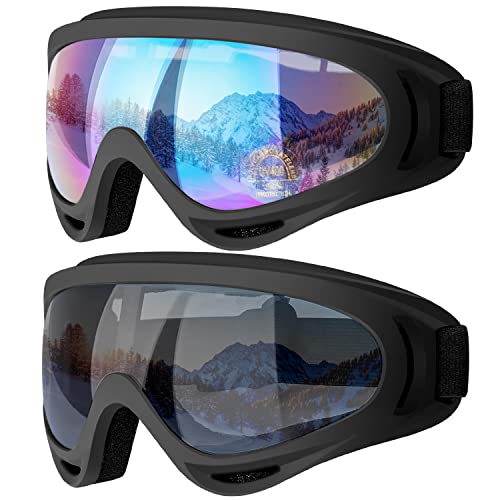
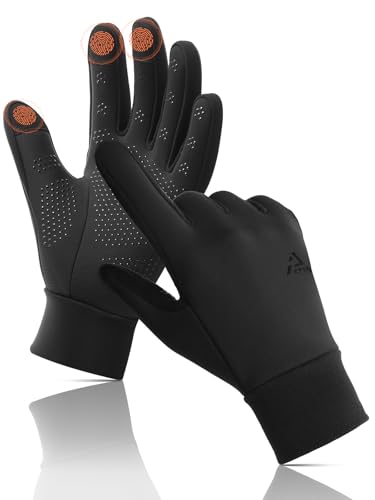
You stay warm and dry when your gear matches the weather. Pick waterproof gloves and boots to keep moisture out on slushy or powdery days. Layer with insulated, water-resistant jackets and snow pants. Choose a snug-fitted helmet designed for winter sports—it protects better than a bike helmet when hitting packed snow or ice. Cover exposed skin with a knit hat, neck gaiter, and ski goggles for bright sun or strong wind. Pack spare mittens and dry socks in case your gear gets soaked during runs.
Assessing the Sledding Environment
Safe sledding starts with knowing the terrain and watching the weather. You boost safety and excitement by tuning in to every detail of your surroundings.




Evaluating the Slope
Assessing the slope helps you spot hidden dangers and pick the best route down. Look for obstacles like rocks, tree roots, exposed patches, fences, or drop-offs—examples include sharp rocks or frozen branches. Check if the slope offers a long smooth runout instead of a sudden stop. Avoid hills ending near roads, water, or thick crowds for better control and lower risk. See if the snow covers the hill evenly, with no icy surfaces or deep ruts where sleds can tip. Watch how other sledders navigate to gauge flow and possible collisions.
Checking Weather Conditions
Checking weather conditions lets you prepare for changing factors that affect sledding. Verify current temperature and wind chill—if the reading drops below 20°F (-6°C), dress warmer and limit time outdoors to prevent frostbite, as CDC guides recommend. Scan for fresh snow that cushions landings versus packed icy slopes that speed up runs and reduce stopping power. Look out for ongoing snowstorms, which cut visibility, or sleet, which coats hills in ice. Consult local weather alerts for sudden changes and stay off hills when visibility is poor or lightning appears.
Personal Safety Measures
Focusing on your own safety makes every sledding run smoother. Taking a few dedicated steps before sliding down keeps the thrill alive and risks low.
Helmet and Protective Gear
Wearing a helmet built for winter sports reduces the risk of head injuries according to the Centers for Disease Control and Prevention (CDC). Pick certified helmets with a snug fit, making sure the chin strap rests comfortably under your jaw. Adding impact-rated gloves, padded jackets, layer-friendly snow pants, knee pads, and insulated boots gives you critical protection against bumps, scrapes, or sudden stops. Check for damaged buckles or loose padding before each run to confirm equipment reliability. Use goggles to shield your eyes from glare and flying snow.
Supervising Children and Group Guidelines
Keeping kids and groups in clear sight increases safety for everyone enjoying the sledding hill. Assign watchful adults to the bottom and top of the run for a simple communication chain if quick reactions are needed. Establish meeting points and easy-to-remember signals, like waving arms or colored flags, so group members stay connected if the hill gets busy. Use a buddy system to pair children, ensuring no one gets separated or stranded after a fall. Limit group sizes for easier supervision and check that younger kids stick to gentle slopes while confident sledders use steeper runs.
Step-By-Step Safety Checklist Before Every Sledding Run
- Check Sled Condition
- Inspect your sled for cracks, broken handles, or loose parts before every run. Confirm metal runners feel smooth and free of rust.
- Assess Helmet and Protective Gear
- Ensure your helmet fits snugly and feels secure. Fasten chin straps and check for any visible dents or wear. Wear insulated boots, padded jackets, and impact-rated gloves.
- Layer Clothing for Warmth
- Dress in moisture-wicking base layers, an insulated jacket, waterproof gloves, and boots. Pack extra mittens and dry socks in case you get wet mid-run.
- Survey the Slope Carefully
- Scan the hill from top to bottom, identifying ice patches, exposed rocks, or hidden obstacles like tree roots. Confirm the runout is clear and features plenty of stopping space.
- Evaluate Weather Conditions
- Review visibility and temperature before your run. Hold off if snowfall reduces sight or icy winds make travel tricky.
- Check Crowd Density and Flow
- Count sledders on the hill to make sure it’s not overcrowded. Wait until the track feels clear and everyone in your group is spaced out.
- Assign Supervision Roles When in Groups
- Designate an adult or experienced sledder to watch both the top and bottom of the hill. Use a buddy system. Limit group size for easier monitoring.
- Review Emergency Preparedness
- Carry a mobile phone with a full battery. Know the closest emergency access route. Place a whistle or signaling device in your pocket for added safety.
Taking these steps every time lets you focus on the thrill of each sledding run while staying safe.
What to Do in Case of Emergency
Stay calm and assess the situation right away if an accident happens on the sledding hill. Check yourself and others for injuries before moving. If anyone can’t move or complains about neck or back pain, avoid repositioning and wait for trained help.
Call emergency services using your mobile phone if a serious injury occurs. Provide your precise location, describe the injury, and mention access points to the hill. Keep your phone easily reachable during every sledding run for fast contact.
Give first aid with the supplies from your sledding kit for common winter injuries. Cover anyone who’s cold with extra clothing or blankets to prevent hypothermia. For minor cuts or bruises, use your clean bandages and antiseptic wipes right away.
Move to a safe area away from oncoming sleds if possible and signal others to avoid the area. Use clear hand waves or loud calls to warn sledders approaching the scene.



Stay with the injured person until help arrives. Assign someone from your group to guide emergency teams to your location. Stay alert for changing weather or darkness, which can complicate rescue efforts.
Reconnect with your group and review what happened after the emergency ends. Discuss your response, update your kit if you used supplies, and make sure everyone knows the plan for future runs. This keeps your sledding adventures safe and enjoyable for every winter outing.
Conclusion
Taking a few moments to run through your safety checklist before each sledding run helps you create lasting memories without worry. When you make safety a habit you set yourself up for more fun and fewer mishaps on the hill.
With a little preparation you can focus on the thrill of the ride knowing you’ve done everything possible to keep your sledding adventure safe and enjoyable for everyone. Stay alert stay prepared and have a blast out there!