
When the sun sets and the slopes light up, night skiing offers a magical experience unlike any other. The crisp air and twinkling stars create the perfect backdrop for an exhilarating ride down the mountain. But as enchanting as it is, skiing at night comes with its own set of challenges. That’s why I believe it’s crucial to prioritize safety while enjoying this thrilling adventure.

Night Skiing Safety Tips for All Levels
Night skiing offers a thrilling experience, but safety remains a top priority. Here are essential tips that help ensure a safe and enjoyable night on the slopes.
- Wear Reflective Gear
Wearing reflective clothing enhances visibility. Choose jackets and pants with bright colors and reflective strips.
- Use Headlamps or Flashlights
Using a headlamp or flashlight illuminates your path and helps you spot obstacles. Ensure your light source is bright enough and has a long battery life.
- Familiarize Yourself with the Terrain
Knowing the trail layout reduces risks. Study the map during the day, and stick to well-marked runs after dark.
- Ski with a Buddy
Skiing with a partner improves safety. If an accident occurs, having someone nearby can be crucial for assistance.
- Set Boundaries
Establishing boundaries before you hit the slopes keeps distractions at bay. Communicate your skiing limits, especially when skiing with others.
- Adjust Your Speed
Reducing speed enhances control in low visibility. Take your time to react to unexpected conditions and hazards.
- Check Equipment Regularly
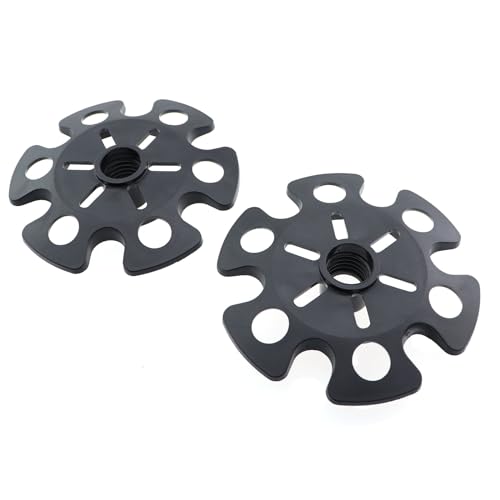
Inspect skiing equipment before every outing. Ensure bindings, skis, and poles work correctly to prevent accidents.
- Be Mindful of Weather Conditions
Keeping an eye on weather reports helps prepare for changing conditions. If visibility drops or freezing temperatures arise, reconsider skiing that night.



- Observe Ski Resort Rules
Follow local ski resort regulations for night skiing. Each location might have specific safety measures and operating hours you should adhere to.
- Take Breaks
Regular breaks keep energy levels up and clear the mind. Stay hydrated and take time to rest, especially when fatigue sets in.
Preparing for Night Skiing
Night skiing offers a unique thrill, but preparation is vital for safety and enjoyment. I always make sure to gear up properly and consider visibility to ensure a fantastic time on the slopes after sunset.
Choosing the Right Gear
Selecting appropriate gear enhances safety and performance. I always opt for high-visibility clothing, such as ski jackets and pants with reflective strips, ensuring visibility to others. Wearing a well-fitted helmet is crucial, as it protects my head from potential falls. My gloves and boots remain insulated for comfort, allowing me to focus on the ride rather than the cold. Additionally, I favor skis or snowboard size that suit my skill level, responding well to turns in low-light conditions.
Lighting and Visibility Considerations
Lighting plays a significant role in safe night skiing. I use a reliable headlamp strapped securely to my helmet, providing ample illumination for trails and obstacles. It’s critical to check the battery before heading out, ensuring it’s fully charged for the night’s adventure. While on the slopes, I pay attention to lighting installations at the ski resort. Well-lit areas enhance visibility, making it easier to navigate turns and changes in terrain. Always stay alert to your surroundings, especially when skiing near unlit sections of the trail.
Techniques for Safe Night Skiing
Night skiing creates a magical experience, but it’s crucial to stay safe while enjoying the slopes. These techniques can help ensure an enjoyable outing.
Staying In Control
Maintaining control during night skiing is vital. Focus on your speed and movements. Keep your knees slightly bent and weight centered over your skis to make quick adjustments. Utilize short, controlled turns to navigate. If you feel uneasy, slow down or stop completely. Keeping pace with your skiing buddy enhances safety, allowing both of you to communicate and support each other.
Understanding Terrain Changes
Navigating terrain changes at night presents challenges due to limited visibility. Familiarize yourself with the slope layout before skiing in the dark. Practice on marked trails during the day to recognize obstacles like bumps, dips, or icy patches. Features like trees or snowmaking equipment may be less noticeable. Make visual notes of these hazards so you’re prepared when night falls. Use your headlamp strategically to scout ahead, ensuring smooth navigation and avoiding surprises.
Essential Safety Measures
Night skiing offers a thrilling experience, but safety measures are crucial for an enjoyable outing. Here are some essential tips every skier should consider.
Skiing with a Buddy
Skiing with a buddy boosts safety on the slopes. Buddies can keep an eye on each other, making it easier to spot potential hazards. I always communicate preferences for speed and routes before hitting the slopes. Establishing boundaries ahead of time helps everyone stay comfortable. I recommend checking in frequently during runs, especially in unlit areas, to ensure both skiers are together and feeling good.


Checking Weather Conditions
Checking weather conditions is vital before heading out. Good visibility can change quickly due to cloud cover or snow. I always check local forecasts for temperature, wind speeds, and precipitation amounts. A quick look at real-time weather updates is invaluable for planning the best skiing times. If conditions worsen, it’s smart to adjust plans, seek sheltered areas, or even call it a day. Staying informed keeps the experience enjoyable and safe.
Emergency Preparedness
Night skiing brings thrills, but being prepared for emergencies is crucial. Knowing what to do in case of an accident ensures a safer experience on the slopes.
What to Do in Case of an Accident
React calmly if an accident occurs. Assess the situation quickly—determine if injuries are present and if you can help. If someone is injured, avoid moving them unless there’s immediate danger. Use your cell phone to call ski patrol or emergency services; provide clear details on your location and the condition of the injured person. Keep the injured individual warm and comfortable until help arrives. Always stay with your buddy or group; this improves response times and maintains safety.
Recommended Safety Equipment
Equipping yourself with the right gear enhances safety during night skiing. Here’s what I consider essential:
- First Aid Kit: A compact first aid kit fits easily into a backpack. It should include bandages, antiseptic wipes, and pain relievers.
- Whistle: A whistle can attract attention if you need help and it’s lightweight.
- Headlamp: A reliable headlamp illuminates the path ahead. Check its battery before each outing to ensure visibility.
- Reflective Gear: High-visibility jackets help others see you clearly, reducing the risk of collisions.
- Emergency Blanket: A small, lightweight emergency blanket is helpful in case you need warmth while waiting for help.
Keeping your safety equipment in top condition enhances your readiness for a fun, thrilling night skiing adventure.
Conclusion
Night skiing can be an incredible adventure filled with magic and excitement. By keeping safety at the forefront of your mind you can enjoy every moment under the stars. Remember to gear up properly and stay aware of your surroundings to make the most of your experience.
Whether you’re a seasoned skier or just starting out I hope these tips help you navigate the slopes with confidence. So grab your gear and hit the trails—there’s a whole new world waiting for you when the sun goes down! Stay safe and have fun out there!


