
Skiing can be exhilarating, but mastering the art of balance is key to enjoying the slopes. If you’re looking to enhance your skiing experience, learning how to properly use poles can make all the difference. They’re not just accessories; they’re essential tools that help you maintain stability and navigate tricky terrain.

Understanding the Importance of Ski Poles
Ski poles play a vital role in enhancing your balance and overall performance on the slopes. Mastering their use not only increases your stability but also improves your navigation through various terrains.
Benefits of Using Ski Poles for Balance
- Enhances Stability: Ski poles provide support, allowing you to maintain better balance, especially on uneven surfaces.
- Improves Turns: Using poles helps in initiating turns. Proper pole planting can guide your body into the desired direction.
- Aids in Timing: Synchronizing pole planting with your turns enhances rhythm while skiing, helping you feel more in control.
- Supports Muscle Engagement: Engaging your upper body with pole movement activates core muscles, contributing to overall fitness and stamina while skiing.
- Facilitates Navigation: Poles assist in directing your movement, whether you’re tackling moguls or gliding down smooth trails.
Common Mistakes in Pole Usage
- Incorrect Pole Height: Using poles that are too long or too short can hinder balance. Ensure your poles reach your armpits while standing.
- Neglecting Timing: Planting poles too early or too late disrupts your rhythm. Practice synchronizing your pole movements with your turns.
- Overusing Poles: Relying too heavily on poles can create imbalances. Focus on using them as tools for support rather than crutches.
- Ignoring the Wrist: Holding poles too tightly affects your grip and flexibility. Maintain a relaxed wrist to enhance pole movement.
- Poor Stance: Skiing with a rigid stance limits your pole usage effectiveness. Keep your knees slightly bent and maintain an athletic posture to maximize your balance.
Mastering Basic Techniques
Skiing with poles involves a few essential techniques that significantly enhance your balance and performance. Focus on these aspects to maximize your time on the slopes.
Proper Grip and Hand Positioning
Grip your poles firmly but not too tight. Your hands should comfortably rest on the grips, allowing natural wrist movement. Keep your elbows slightly bent at your sides. Position the straps so they fit snugly around your wrists, not impeding your hand movement. This approach lets you easily transfer energy from your body to the poles, giving you better stability.
Timing Your Pole Planting
Plant your poles as you initiate each turn, ideally just before your downhill ski begins to carve. This timing provides essential support as you shift your weight. When making turns, align your pole with your turning direction for better balance and control. Practicing this coordination enhances your timing and improves your overall rhythm on the slopes.
Advanced Skiing Techniques
Mastering advanced skiing techniques can elevate your experience on the slopes. Incorporating these strategies with your ski poles offers better balance and enhances your overall performance.
Pole Usage in Different Terrain
When navigating diverse terrains, adapting your pole usage is essential.
- Groomed Runs: On smooth, well-prepared trails, use your poles for timing and rhythm. Plant them just before initiating a turn to maintain a steady flow.
- Moguls: In this bumpy terrain, keep your poles low and close to your body. Use them to stabilize yourself by planting them in between bumps, allowing a smoother descent.
- Off-Piste: In more challenging terrains, like powder or tree runs, rely on your poles for extra support. Keep your weight centered over your skis and use poles to help guide through obstacles.
- Steep Slopes: On steep descents, plant your poles firmly in front of you to provide additional stability. Lean slightly forward to maintain balance while controlling your speed.
Combining Poles with Turning Techniques
Integrating pole usage with turning techniques amplifies your control and precision.
- Carving Turns: As you carve, plant the pole opposite to your turn direction. This technique enhances your body rotation and helps maintain balance throughout the arc.
- Parallel Turns: For parallel turns, plant both poles simultaneously as you shift your weight from one ski to the other. This action reinforces your balance and offers a consistent rhythm.
- Short Turns: In tight spaces, use quick pole plants to maintain a controlled posture. Keep your movements compact, and focus on timing your pole plants with each turn for maximum effect.
- Skidding Turns: When skidding, use your poles to push off slightly as you turn. This action helps you adjust your speed and regain balance.
Employing these advanced techniques transforms your skiing experience, making every run enjoyable and exhilarating.
Safety Tips for Skiing with Poles
Skiing with poles adds an extra layer of fun and stability to your adventures on the slopes. However, keeping safety in mind is important as you glide down. Here are some essential tips to help you stay safe while maximizing balance.

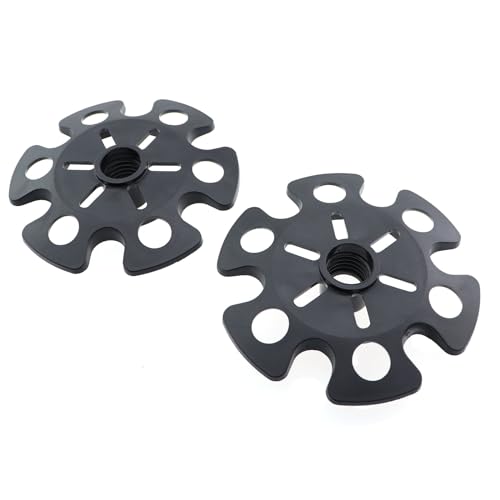


Avoiding Common Injuries
- Warm-Up: Always warm up before hitting the slopes. Stretching improves flexibility and preps muscles for activity.
- Proper Technique: Focus on using the right technique when planting your poles. Incorrect use may lead to falls or strains.
- Stay Aware: Keep an eye out for other skiers and obstacles. Staying alert helps prevent collisions.
- Correct Pole Height: Use poles suited to your height, ensuring they’re adjusted properly. This reduces strain on your arms and allows for better control.
- Foot Placement: Maintain proper foot positioning. Keep your weight evenly distributed to avoid ankle or knee injuries.
- Listen to Your Body: If you feel pain or discomfort, take a break. Ignoring signs of fatigue can lead to more serious injuries.
Gear Recommendations
- Ski Poles: Choose lightweight poles that offer durability. Carbon fiber or aluminum materials work well for most conditions.
- Pole Straps: Invest in quality straps that fit snugly around your wrists. Proper straps prevent losing your poles during falls.
- Gloves or Mittens: Wear insulated gloves or mittens with good grip. Keeping your hands warm ensures comfort and allows for better control over your poles.
- Helmet: Always wear a helmet for added protection. It’s essential for safeguarding against head injuries in case of falls.
- Goggles: Opt for goggles that provide clear visibility and UV protection. Good visibility enhances reaction time and overall safety on the slopes.
Conclusion
Mastering the use of ski poles can really transform your skiing experience. With the right techniques and awareness, you’ll find that your balance improves significantly. Remember that poles are your partners on the slopes, helping you navigate different terrains and enhancing your overall performance.
As you hit the slopes, keep practicing the tips you’ve learned. Whether you’re carving down groomed runs or tackling moguls, the right pole technique will make each run smoother and more enjoyable. So gear up, stay safe, and enjoy every moment on the mountain. Happy skiing!


