
Skiing in high winds can be both exhilarating and challenging. The rush of gliding down the slopes is intoxicating, but strong gusts can turn a fun day on the mountain into a risky adventure. Understanding how to navigate these conditions is key to staying safe and enjoying your time on the snow.

Understanding High Winds and Skiing
High winds can change your skiing experience dramatically. You’ll encounter a unique set of challenges and excitement that comes with navigating the slopes in these conditions.
Effects of Wind on Skiing Conditions
Wind affects skiing in various ways. High winds can create icy patches on trails, making your descent more treacherous. Wind can also reduce visibility, especially when snow blows across the slope. Strong gusts can shift snow, leading to uneven terrain or sudden snowdrifts. You might find yourself struggling to maintain balance or control, as strong winds can push you in unexpected directions. In addition, certain areas may close entirely due to safety concerns, limiting your options. Always be prepared for these factors before heading out.
Weather Forecasting for Skiers
Checking weather forecasts is crucial for your safety on the slopes. Reliable sources like the National Weather Service or ski resort websites provide updated information on wind speeds and conditions. Look for specific forecasts that include wind chill factors, which can affect your comfort level. If winds exceed 30 mph, consider altering your plans. You might choose to ski at lower altitudes or stick to trails that offer better protection from the wind. Staying informed empowers you to make smart decisions, ensuring an enjoyable day of skiing.
Preparing for Your Ski Day
Preparing for a ski day in high winds requires a bit of extra effort, but it enhances your enjoyment on the slopes. Focus on essential gear and equipment and stay informed about wind conditions.
Essential Gear and Equipment
- Windproof Jacket: Choose a high-quality windproof jacket to block out gusts. Look for features like adjustable cuffs and a high collar.
- Thermal Base Layers: Wear thermal base layers to stay warm and wick away moisture. Opt for materials like merino wool or synthetic fibers.
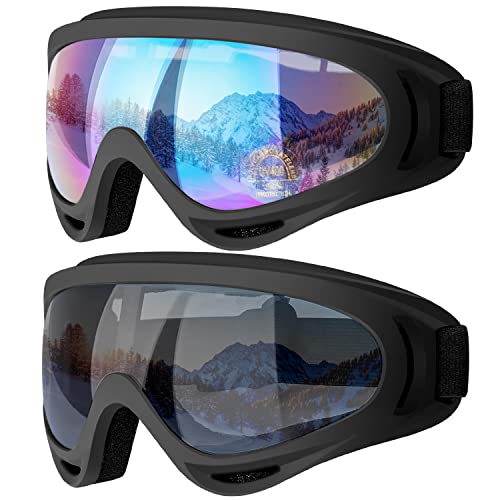
- Goggles: Use goggles with anti-fog and UV protection. They improve visibility and protect your eyes from wind.
- Helmet: Don a helmet for safety. Helmets with ventilation systems can help regulate temperature during windy conditions.
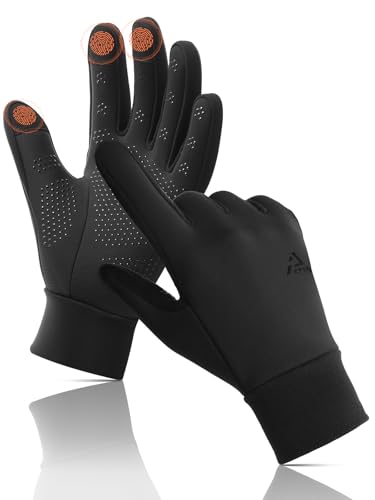
- Skiing Gloves: Select waterproof and insulated gloves to keep your hands warm and dry. Mittens can offer additional warmth.
- Face Protection: Use a balaclava or neck gaiter to shield your face from cold winds. This can make a significant difference in your comfort level.
Checking Wind Conditions
- Use Reliable Sources: Access weather apps or websites that provide real-time updates on wind speeds. Sources like NOAA or local ski resorts offer accurate data.
- Look for Alerts: Monitor for wind chill warnings or advisory notices. These alerts inform you of potentially dangerous conditions on the slopes.
- Observe Preliminary Conditions: Arrive early to observe wind effects at the mountain. Check for visibility and snow conditions at lift areas.
- Be Flexible: Stay adaptable with your ski plans. If the wind exceeds 30 mph, consider skiing in sheltered areas or waiting for conditions to improve.
By gearing up properly and staying informed about wind conditions, you enhance your skiing adventure, minimizing risks while maximizing enjoyment.
Skiing Techniques for High Winds
Skiing in high winds can be thrilling, but it demands specific techniques to ensure safety and maximize fun on the slopes. Knowing how to adjust your body positioning and manage your speed is crucial when facing those gusty conditions.
Body Positioning and Balance
Keep your knees slightly bent and your weight centered, allowing for quick adjustments. Lowering your center of gravity helps maintain stability. Lean slightly forward when skiing downhill to counteract the wind’s force. Grip your poles firmly, using them for balance as the wind blows sideways. When navigating turns, shift your weight onto the outside ski, enhancing control and responsiveness. Stay relaxed; a rigid stance can make you more susceptible to wind disturbances.
Adjusting Speed and Control
Skiing at a controlled speed reduces the impact of the wind. Maintain a moderate pace, as high speeds can lead to loss of control and increase the risk of falls. Employ techniques such as skidded turns to manage your descent; this method helps dissipate speed and offers better control. Anticipate changes in terrain caused by wind patterns, slowing down in areas with shifting snow. Engage your core muscles to refine your movements and improve your overall stability while skiing through challenging conditions.
Safety Tips for Skiing in High Winds
Skiing in high winds presents unique challenges, and staying safe is a top priority. Here are some crucial tips to keep you secure and enjoying your time on the slopes.




Recognizing Hazardous Areas
Identifying hazardous areas on the mountain helps you avoid risky situations. Look for:
- Wind-blown zones: These areas often have icy patches that can catch you off guard.
- Trees and cliffs: High winds can increase the risk of fallen branches and reduced visibility near tree lines and steep drops.
- Snow drifts: Strong gusts can create unexpected snow piles and hidden obstacles, making it hard to navigate safely.
Familiarize yourself with the mountain layout before hitting the slopes. Consult trail maps and seek advice from ski patrol regarding areas that may be closed due to wind conditions.
Importance of Communication with Ski Partners
Clear communication with your ski partners enhances safety in windy conditions. Make sure to:
- Establish signals: Agree on hand signals or verbal cues for visibility and quick decision-making in gusty weather.
- Set check-in points: Plan spots to regroup if visibility drops to ensure no one gets lost.
- Stay close together: Don’t venture too far from your group to maintain support and quick responses if someone encounters difficulty.
Regularly checking in with each other can bolster confidence and keep the group cohesive, allowing for a safe and enjoyable ski day, even in challenging winds.
Conclusion
Skiing in high winds can be a thrilling adventure if you take the right precautions. By preparing yourself with the proper gear and staying informed about the conditions, you can enjoy the slopes safely. Remember to keep an eye on the weather and adjust your plans as needed.
Using the right techniques and maintaining clear communication with your ski partners will enhance your experience. Embrace the challenge of high winds while prioritizing safety and you’ll create unforgettable memories on the mountain. So gear up and hit the slopes with confidence!


