
There’s nothing quite like the thrill of gliding through untouched powder in the backcountry. If you’re like me, the allure of fresh tracks and stunning mountain vistas calls to you. Planning a backcountry ski trip can seem daunting, but with the right approach, it can be one of the most rewarding experiences you’ll ever have.

Understanding Backcountry Skiing
Backcountry skiing offers an adventurous way to explore untouched terrain. It provides freedom from crowded resorts and fosters a deep connection with nature.
What Is Backcountry Skiing?
Backcountry skiing involves skiing outside marked trails and ski resorts. It includes ascending mountains using either skins on skis or snowshoes. Participants find themselves navigating remote areas, untracked snow, and pristine landscapes. Understanding safety is crucial, as backcountry routes may expose skiers to avalanches, weather changes, and rugged terrain.
Benefits of Backcountry Skiing
Backcountry skiing offers numerous benefits that appeal to enthusiasts like me:
- Fresh Powder: Skiing on untouched snow provides an exhilarating experience compared to groomed slopes.
- Tranquility: Many backcountry areas are isolated, allowing for a peaceful escape from the hustle of ski resorts.
- Physical Challenge: Climbing hills and navigating variable terrain enhances fitness levels and overall skiing skills.
- Scenic Views: Backcountry trips often reward me with breathtaking vistas, creating memorable moments in breathtaking destinations.
- Adventure: Exploring new areas fosters a sense of adventure and discovery that is hard to replicate elsewhere.
Embracing backcountry skiing transforms a typical ski trip into an unforgettable journey through nature’s beauty.
Essential Gear for Backcountry Skiing
Backcountry skiing requires specific gear to ensure a safe and enjoyable experience. I’ll guide you through the must-have clothing and ski equipment.
Clothing and Layering
Clothing choice directly impacts comfort and performance in backcountry skiing. I recommend layering for optimal temperature regulation. Consider these essential layers:
- Base Layer: Choose moisture-wicking fabrics like merino wool or synthetic materials. This layer keeps sweat away from your skin to prevent chills.
- Insulation Layer: Use a lightweight fleece or down jacket to retain heat while allowing flexibility. A well-insulated layer traps body heat without weighing you down.
- Outer Layer: Select a waterproof and breathable shell jacket and pants. This layer shields you from wind and snow while allowing moisture to escape.
- Accessories: Don’t forget a warm hat, gloves, and a neck gaiter. These items protect extremities and help maintain overall warmth.
Ski Equipment and Accessories
Proper ski equipment enhances performance and safety in the backcountry. Here are the crucial components:
- Backcountry Skis: Opt for lightweight skis designed for uphill travel and downhill performance. Look for wide skis for better flotation in powder.
- Bindings: Use alpine touring bindings, which allow for a free-heel mode when climbing and a locked-in mode for descending. This versatility is key for varied terrain.
- Skins: Attach climbing skins to the bottoms of skis for traction when ascending. Ensure they fit your skis snugly for efficiency.
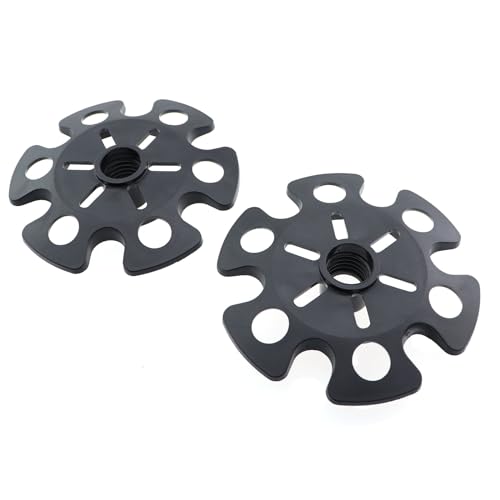
- Poles: Telescoping poles offer adjustable height options for different terrains. Choose poles with powder baskets for stability in deep snow.
- Avalanche Gear: Carry an avalanche beacon, shovel, and probe. These items provide essential safety in avalanche-prone areas and must be practiced before hitting the slopes.
With the right clothing and ski equipment, you’re set for a successful backcountry skiing adventure.
Choosing the Right Destination
Choosing the right destination for a backcountry ski trip plays a crucial role in the overall experience. The right area can provide scenic beauty, challenging terrain, and the thrill of untouched powder.



Popular Backcountry Ski Areas
- Whistler Backcountry, Canada: Offers diverse terrain with abundant snowfall. Expect stunning views of glaciers and peaks.
- Jackson Hole, Wyoming: Known for its steep slopes and breathtaking vistas. It’s perfect for advanced skiers seeking adventure.
- Aspen, Colorado: Features both novice-friendly and expert terrain. You’ll find a blend of stunning landscapes and varied runs.
- Banff National Park, Canada: Provides beautiful, open terrain amidst iconic mountain scenery. Great for both skiing and snowboarding.
- Teton Pass, Wyoming: Offers quick access to great runs and beautiful non-tracked snow. Excellent for those looking to escape crowds.
Factors to Consider When Selecting a Location
- Skill Level: Choose areas with trails that match your skiing or snowboarding experience. Beginners should focus on mellow terrain, while advanced skiers can seek steeper slopes.
- Avalanche Risk: Research avalanche forecasts and choose destinations with low risk for safer skiing. It’s important to stay informed about conditions.
- Access to Amenities: Consider areas with nearby accommodations, gear rentals, and guiding services for convenience. Having local support can enhance the experience.
- Weather Conditions: Monitor the forecast to find optimal conditions with fresh snow and clear visibility. Pay attention to temperature and wind, as they can affect your trip.
- Travel Distance: Think about how far you’re willing to travel. Locations within a short drive tend to offer more enjoyable last-minute trips.
Selecting the right destination enhances the backcountry skiing experience, leading me to unforgettable moments on fresh powder and stunning mountain vistas.
Planning Your Itinerary
Planning your itinerary is a crucial step for an unforgettable backcountry ski trip. It involves mapping out trails and estimating time and difficulty to ensure a safe and thrilling adventure.
Mapping Out Trails
Mapping out trails ensures a well-rounded ski experience. I use topographic maps or ski apps to identify routes that match my skill level and interests. I prioritize designated trails for safety while considering nearby backcountry zones. Moreover, I look for options with varying terrain features—think open glades and well-defined descents. Familiarizing myself with the layout helps avoid potential hazards and shortens time spent navigating unfamiliar territory. I recommend sharing my planned route with a friend or group, allowing for extra safety and communication.
Estimating Time and Difficulty
Estimating time and difficulty is essential for effective trip planning. I analyze factors such as trail length, elevation gain, and snow conditions to gauge how long the adventure might take. Generally, I plan on one hour for every 1,000 feet of ascent, adjusting based on skill and fitness levels. I always consider rest stops and the time needed for safety checks or gear adjustments. Furthermore, I assess my skills honestly, factoring in the terrain’s challenges to set realistic goals. By managing expectations, I can fully enjoy the experience without feeling rushed or overwhelmed.
Safety Considerations
Safety’s a top priority in backcountry skiing. Understanding the risks and preparing adequately helps ensure a safe and enjoyable adventure.
Avalanche Awareness
Avalanches pose significant risks in backcountry environments. I always check avalanche forecasts for my chosen area before setting out. Knowing the avalanche risk level, which varies from Low to High, is crucial. I also look for recent reports and consider any weather changes that might affect snow stability. Recognizing terrain features that increase avalanche risk, such as steep slopes and convex rolls, enables smarter route choices. Carrying and being proficient with avalanche safety gear—like beacons, shovels, and probes—is essential. I practice rescue scenarios with my group, ensuring everyone knows their roles in case of an emergency. Always trust your instincts; if a slope feels unsafe, it’s best to turn back.
Navigation Skills and Tools
Excellent navigation skills are a must for safe and successful backcountry skiing. I rely on a combination of topographic maps, GPS devices, and mobile ski apps to help capture my route and stay oriented. Understanding how to read terrain features, elevation changes, and natural landmarks keeps me aware of my surroundings. I also take a compass and know how to use it, as technology can fail. Taking the time to plan my route ahead of time minimizes unexpected challenges. Sharing my planned itinerary with friends or family increases safety and improves communication on the mountain. Preparing for diverse conditions—like sudden weather changes or tricky terrain—enhances my confidence and enjoyment during each outing.
Conclusion
Planning a backcountry ski trip is an adventure in itself. With the right gear and preparation I can transform a simple ski outing into an unforgettable journey through breathtaking landscapes. It’s all about embracing the thrill of fresh powder and the serenity of untouched trails.
I’ve learned that safety should always come first. By staying informed about weather conditions and avalanche risks I can enjoy my time on the slopes with peace of mind. Each trip becomes not just about skiing but about connecting with nature and pushing my limits.
So whether I’m exploring a familiar area or venturing into new terrain I’m excited to hit the backcountry. Here’s to many more adventures filled with laughter and stunning views!