
Few things match the thrill of racing down a snowy hill with the wind in your face and laughter echoing behind you. But when you spot a sharp turn ahead your excitement can quickly turn into a rush of nerves. Navigating those twists and bends is part of what makes sledding so exhilarating—and a little bit tricky.

If you’ve ever found yourself skidding out or tipping over at a curve you’re not alone. With the right know-how you can glide through sharp turns smoothly and keep the fun going all the way to the bottom. Let’s get you ready to handle those curves with confidence and make every sledding run a great memory.
Understanding the Challenges of Sharp Turns While Sledding
Sharp turns on a sled present speed, force, and balance challenges that every winter sports enthusiast recognizes. When you approach a curve, gravity and momentum can pull your sled wide, making it harder to stay on track. High speeds increase the risk of sliding out; for example, racing sleds designed for downhill competitions often accelerate past 30 mph on steep hills. Hard-packed snow creates less friction than powder, so your sled might skid more during turns.
Body position matters most when you hit sharp bends. Leaning too little or too much can throw off your center of gravity. Riders who lean away from the turn or sit upright often tip over, particularly on steep grades or icy surfaces. Sudden steering inputs also lead to instability and spins, especially if you use lightweight plastic toboggans or disc sleds.
Visibility becomes limited in crowded parks or densely wooded runs. You can’t always see what’s ahead around sharp corners, increasing collision risk. You’ll need to scan the path, watch for obstacles like rocks or tree roots, and anticipate movement from other sledders. Weather adds another layer too—fresh snow, fog, or wind can make turns harder to judge.
These challenges call for quick reactions, careful weight shifts, and constant awareness of your surroundings to keep your run smooth and safe.
Preparing for a Safe Sledding Experience
Your sledding experience gains reliability with the right preparation. Equipment and safety gear choices influence your performance, especially on sharp turns.
Choosing the Right Sled
Your sled type impacts your handling on snow and control in tight curves. Flexible flyers allow steering for gradual bends but demand skill to avoid oversteering on sharp corners. Plastic toboggans move quickly, glide for long stretches, and suit gentle hills with fewer abrupt curves. Inflatable tubes absorb bumps, yet slide unpredictably in turns and suit only open, obstacle-free slopes. Snow saucers spin easily, making controlled sharp turns difficult without advanced skill. Look for sleds with handles, brakes, or a pointed nose—these features help maintain stability and direction in challenging sections.
Wearing Proper Safety Gear
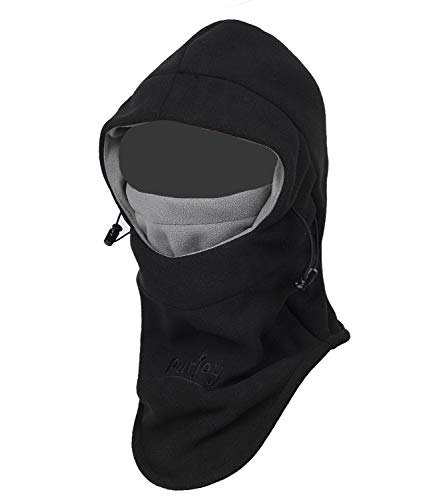
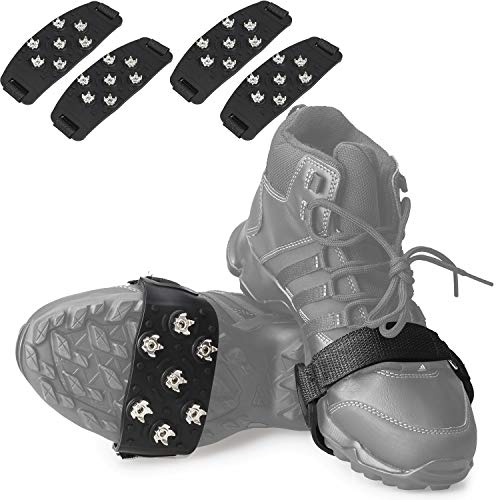
Your protection during sledding starts with a certified helmet. Helmets prevent head injuries on icy runs and crowded slopes. Goggles block blowing snow and increase visibility during fast or shaded descents. Waterproof gloves and insulated boots shield hands and feet from wind and periodic spills. Padded, layered clothing ensures warmth and cushions impacts, while high-visibility jackets or vests make you easily seen by other sledders. Wear wrist guards and knee pads if you’re practicing new turns or sledding on unpredictable terrain—these limit common sprains and bruises for beginners and experienced riders alike.
Techniques for Navigating Sharp Turns
Sharp turns bring out the best of sled control and winter sports excitement. Adopting the right approaches can keep your sled stable and the ride thrilling through every curve.


Body Positioning and Weight Distribution
Leaning plays a decisive role in sharp turn navigation. Shift your upper body toward the inside of the turn; for right-hand curves, lean right, and for left curves, lean left. Press your inside knee down while extending your outside leg slightly for stability. Grip the sled handles or edges for balance, focusing your weight low and forward to increase traction. Avoid leaning too far back, since that shifts your center of gravity and increases the chance of sliding out at high speeds or tipping over in tight corners.
Steering Methods for Different Sled Types
Steering techniques differ across sled types such as runner sleds, disc sleds, and toboggans. For classic runner sleds with steering handles or ropes, pull the rope gently in the turning direction while leaning your body as described above. For disc and foam sleds, use your hands to press on one side and shift your body weight in sync; steering relies more on weight adjustment than mechanical input. With toboggans, maintain balanced team weight by coordinating with other riders, all leaning together and using feet to guide the front edge when control is needed on broad curves. Each sled type delivers unique handling, so matching steering input with sled design increases responsiveness on every run.
Managing Speed Approaching Turns
Controlling speed before a sharp turn supports both safety and excitement. Slow your sled well before the curve, especially on steep or icy runs, by dragging your feet lightly in the snow or using built-in brakes if your sled features them. Reduce your speed enough to allow precise steering but keep momentum for smooth corner exits. Avoid sudden stops or sharp braking inside the turn, since abrupt deceleration may spin your sled or cause rollovers on high-traction snow. Steady speed management, combined with proper body positioning and steering, creates smoother lines and greater confidence when charging through every sharp bend on winter hills.
Common Mistakes to Avoid on Sharp Turns
- Ignoring Speed Adjustment
Reducing speed before reaching sharp turns creates better sled control, if you approach too fast, especially on icy patches or steep inclines, your sled often skids wide or loses traction.
- Leaning the Wrong Way
Leaning into the hill or sitting upright off-balance commonly tips sleds over during curves, if you don’t press your body weight into the direction of the turn, your ride loses balance fast.
- Overcorrection When Steering
Jabbing hard on the steering handles or dragging your feet suddenly makes your sled fishtail or come to a jarring stop, if you make abrupt moves instead of smooth, steady steering, you risk sliding off your line.
- Not Scanning Ahead
Missing upcoming turns or obstacles by staring at your sled’s front instead of the path causes late reactions, if you don’t look well ahead, rapid changes in terrain or people on the run can catch you off guard.
- Choosing Poor Body Posture
Sitting too far back or upright lifts the sled’s nose and makes steering sluggish, if you don’t keep a low, forward-leaning posture, your sled loses grip and you feel less control through sharp corners.
- Forgetting to Distribute Weight Evenly
Placing all your weight on one side or not synchronizing with your riding partner tips the sled on joint rides, if you’re sledding with someone else, coordinating your body lean prevents imbalance on sharp turns.
- Skipping Pre-Run Sled Check
Starting a run with loose handles, cracked runners, or worn-out brakes increases risk of malfunction at high speed, if your equipment isn’t checked beforehand, sharp turns quickly expose problems.





Practicing and Improving Your Sledding Skills
Build consistency in your turns by repeating runs on slopes with varying curves. Track your progress by timing each descent and noting where you feel smoothest. Choose local sledding hills with distinct features, like sharp bends or longer runs, for more diverse practice.
Join group sledding sessions to learn from others’ techniques. Watch how seasoned riders shift their bodies, steer, and manage speed at different points in a turn. Ask for feedback from instructors or peers after each run for instant tips on your form.
Increase your confidence by gradually pushing your limits. Start on wide, gentle curves before attempting sharper corners. Focus on maintaining balance by leaning with the sled as you add speed. Use short, regular practice intervals—10 to 15 runs per session—to build muscle memory.
Film your practice runs with a camera or smartphone attached to your helmet or sled. Review footage to spot habits, like inconsistent leaning or early braking, that might affect your control.
Refine your reaction time by practicing drills. Set up soft markers or cones at intervals on mellow hills to simulate sudden turns or obstacles. Test your ability to adjust direction quickly while keeping your weight centered.
Compare your technique with illustrated guides or video tutorials from recognized winter sports organizations, like the National Ski Patrol or Canadian Ski Council. Analyze their recommendations for turning posture, hand placement, and braking. Apply adjustments in your next session for measurable improvement.
Rotate between different sleds if possible, including runner sleds and disc sleds, so your skills adapt to various turning dynamics. Track which sleds give you the most stability through sharp turns.
Maintain your sled regularly, checking runners for dents or snow buildup before each practice day. Clean and inspect handles, steering ropes, and brakes each session to prevent equipment errors during maneuvers.
Stay persistent, even after slips or tumbles. Track small improvements, whether you reduce wobble around a corner or keep your line tighter through a tricky bend. Each ride adds to your command of the hill and your enjoyment of winter adventures.
Conclusion
Mastering sharp turns while sledding can turn a nerve-wracking moment into the highlight of your day. With a bit of practice and the right approach you’ll find yourself handling every curve with greater ease and excitement.
Stay patient with yourself as you learn. Each run is a chance to build confidence and skill so don’t be afraid to try new techniques and enjoy the ride. Your next sledding adventure is waiting—make every turn count!


