
Snowboarding is an amazing way to enjoy the winter outdoors but those nagging headaches can quickly put a damper on your fun. If you’ve ever found yourself struggling with discomfort after a day on the slopes you’re not alone.

Headaches while snowboarding can come from a few common causes like dehydration, altitude changes, or even how you gear up. Luckily, with a few simple tips and tricks you can keep your head clear and your rides smooth.
Understanding Snowboarding Headaches
Recognizing what triggers headaches while snowboarding helps you tackle them before they spoil your day. Knowing the signs and causes enables smarter choices on the slopes.
Common Causes of Headaches While Snowboarding
- Dehydration occurs quickly in cold weather, especially if you sweat under layers. It reduces blood flow to the brain and sparks headaches.
- Altitude changes affect oxygen levels, leading to headaches when your body isn’t yet used to higher elevation.
- Improper gear fit, like a helmet or goggles that sit too tight, puts pressure on your head and temples.
- Cold exposure tightens muscles around your head and neck, which can cause tension headaches.
- Sun glare strains your eyes and leads to headaches if protective eyewear is missing or inadequate.
Symptoms to Watch For
- Pulsing or throbbing pain on either side of your head that intensifies during physical activity.
- Sensitivity to light or sound, which may signal you need a break from bright slopes or noisy environments.
- Dizziness or nausea, especially when combined with headache, signals altitude sickness or dehydration.
- Pressure or tightness around your forehead or temples from gear or cold conditions.
- Blurred vision or difficulty focusing that reduces your reaction times on the mountain.
Noticing these symptoms early lets you adjust hydration, rest periods, or gear fit to keep headaches at bay during snowboarding.
Preventative Measures Before Hitting the Slopes
Taking steps before you start your day on the mountain helps keep headaches away. Focusing on hydration, nutrition, rest, and gear fit builds a solid foundation for pain-free rides.
Proper Hydration Techniques
Drink plenty of water throughout the day to combat dehydration, a common headache trigger at altitude. Sip water regularly instead of gulping, as steady fluid intake works best. Include electrolyte drinks if you plan long sessions or sweat heavily to maintain electrolyte balance. Avoid excessive caffeine or alcohol, which drain hydration and increase headache risk.
Importance of Nutrition and Rest
Fuel your body with balanced meals rich in protein, healthy fats, and complex carbs before you ride. Eating snacks like nuts, fruit, or energy bars during breaks sustains energy and prevents blood sugar dips that cause headaches. Prioritize a full night’s sleep before hitting the slopes to reduce fatigue and improve overall resilience against headache triggers. Short naps between runs can also refresh your mind and body.
Choosing the Right Gear and Helmet Fit
Wear a properly sized helmet that fits snugly without pressure points, preventing discomfort and tension headaches. Adjust chin straps to hold the helmet securely while staying comfortable. Choose goggles that fit well with your helmet and block UV rays to reduce eye strain and squinting, common headache causes. Layer clothing to stay warm without overheating, avoiding temperature spikes that stress your system.
On-the-Slope Strategies to Minimize Headache Risk
You can keep headaches at bay by staying mindful of key factors while snowboarding. Simple on-the-slope strategies help you enjoy your rides without pain.
Managing Altitude and Weather Conditions
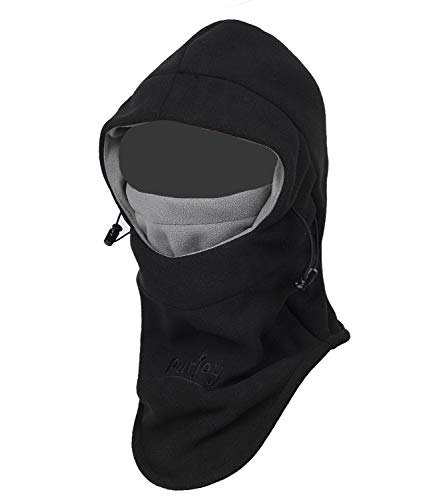
Monitor how your body adapts to altitude changes. You often feel symptoms like headaches when ascending too fast without acclimating. Spend a few hours at intermediate elevations before hitting higher peaks. Dress in layers to adjust easily to fluctuating temperatures. Protect your face with sunscreen and goggles, since sun glare at altitude intensifies headache triggers. If cold air feels harsh, cover your nose and mouth with a breathable mask to warm the air before you breathe it in.


Taking Breaks and Avoiding Overexertion
Pace yourself by including regular breaks during your sessions. Push hard for long stretches without rest, and dehydration or fatigue can trigger headaches. Use breaks to drink water or electrolyte-rich beverages and snack on energy-boosting foods like nuts or fruit. Avoid sprinting continuously; keep an even rhythm in your runs. Listen closely to your body’s signals—stop and rest at the earliest sign of dizziness, pressure, or vision changes.
Maintaining Good Posture and Technique
Focus on your body alignment to reduce tension that leads to headaches. Maintain a relaxed but controlled stance with your knees slightly bent and head aligned over your shoulders. Avoid hunching or locking your neck. Proper helmet fit plays a big role—adjust straps and padding to prevent pressure points. Keep your core engaged to support balance, which reduces unnecessary strain on your neck and back. Practicing smooth turns and controlled stops lessens jarring movements that can cause head discomfort.
When to Seek Medical Attention
Recognizing when your headache signals more than just fatigue or dehydration keeps you safe during your snowboarding adventures. Knowing the signs of a serious head injury and steps to prevent long-term issues protects your passion for the slopes.
Signs of Serious Head Injury
Watch for persistent symptoms like severe headache that doesn’t ease, confusion, or vomiting after a fall. Notice if you experience dizziness, loss of balance, or difficulty speaking clearly. Blurred vision, excessive drowsiness, or memory problems also indicate serious injury. Seek medical help immediately if you or someone with you shows any of these signs, as prompt evaluation prevents complications.
Preventing Long-Term Issues
Rest plays a crucial role in recovery; avoid snowboarding or heavy physical activity until a healthcare professional clears you. Follow prescribed treatments precisely, including medication and physical rest. Gradually return to the slopes only after symptoms fully resolve to protect your brain health. Consider regular check-ups if you’ve had repeated head injuries to monitor recovery and avoid chronic issues.
Conclusion
Taking care of yourself on and off the slopes makes all the difference in keeping headaches away. Listening to your body and making small adjustments can help you stay comfortable and focused while snowboarding.
Remember, your well-being comes first, so don’t hesitate to rest or seek help if something feels off. With the right habits, you’ll spend more time enjoying the ride and less time worrying about pain.