
Sledding isn’t just about sliding down a hill and hoping for the best. With a few clever moves and a bit of practice, you can turn every snowy outing into an exciting adventure. Imagine steering with precision, picking up speed, and even pulling off a few cool tricks to impress your friends.
If you’re ready to take your sledding skills to the next level, you’re in the right place. Whether you’re racing down the local hill or exploring new slopes, learning advanced techniques will help you stay safe and have even more fun. Let’s dive into the secrets that make sledding truly unforgettable.
Understanding Advanced Sledding Techniques for Kids
Recognizing sledding as a dynamic winter sport, you unlock new ways for kids to ride with skill and control. Mastering steering involves shifting your weight and using your arms, not just turning with your feet. For example, leaning left while pressing the right side of your sled enables swift, controlled turns. Managing speed relies on braking with your feet or dragging a hand, based on the type of sled you use.
Trying advanced tricks such as carving S-shaped paths or hopping over small jumps means being aware of balance. Keeping knees bent and eyes ahead boosts stability and reaction time. Changing body positions, like sitting low or tucking your legs in, changes sled speed and maneuverability.
Using varied sledding techniques in different conditions—like icy slopes or powder snow—lets you adapt to the environment. On icy runs, focus on precise movements. In deep snow, keep weight forward for smoother gliding. Practicing these advanced skills helps you sled safely, keeps the ride exciting, and lets kids progress beyond simple downhill runs.
Essential Gear for Safe and Fun Sledding
Sledding unlocks the thrill of winter when you’re properly equipped. Gear choices impact both your performance and your safety, especially as you start mastering advanced sledding moves.
Choosing the Right Sled
Selecting a sled suited to your skill level boosts control and fun. Plastic saucers slide fast but can spin, challenging balance. Tobbogans offer stability for group rides, though they steer less precisely. Foam sleds provide a cushioned ride and some grip, great for practicing tricks. Steerable sleds with handles or rudders enable sharper turns, supporting advanced steering and carving. Check for sturdy construction and a slick bottom that handles your local hill’s conditions.
Protective Clothing and Safety Equipment
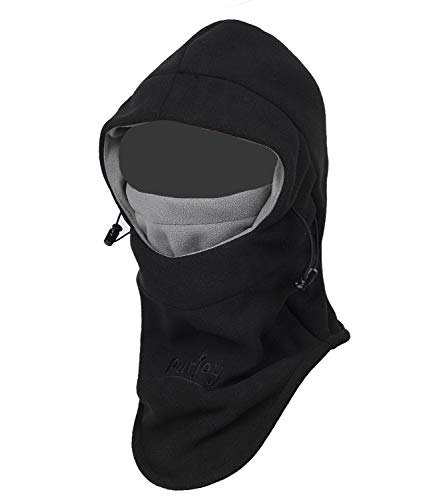
Wearing layered, waterproof clothing keeps you warm and dry during each sledding session. Look for insulated gloves, snow pants and jackets, and wool socks to lock in heat. Helmets protect against head injuries, especially at higher speeds or over icy terrain—youth ski helmets fit well under hats. Snow goggles improve visibility and shield eyes from cold wind. Consider knee and elbow pads when practicing tricks or riding steep hills to minimize bumps and bruises. Boots with good traction reduce trips and slips getting to the top of the run.
Mastering Steering and Braking
Sledding feels more exciting when you control every turn and stop with precision. You get smoother rides and sharper moves by mastering advanced steering and braking techniques.
Leaning Techniques
Shifting your body weight directs the sled. Leaning into turns lets you carve tighter paths on packed snow. Keep your chest forward and bend your knees to stay balanced. Slightly tilting your shoulders helps you control sharp corners especially on steep slopes. Moving your hips, not just your arms, improves control when you want to steer around obstacles or change direction quickly.



Using Hands and Feet for Control
Using both hands and feet gives you extra control over the sled. Digging a gloved hand into the snow on one side helps you slow down or make sharper turns, which works best with plastic saucers or steerable sleds. Pressing your feet into the snow brakes your speed fast, especially on icy tracks. Steering with your feet, such as by dragging one boot along the ground or gently tapping the sled’s edge, keeps you steady if you start to spin. Swapping hands and feet for control during the ride boosts your mastery and makes every run safer.
Navigating Different Terrains
Every hill and trail offers you a new sledding challenge. Approaching different surfaces and slopes boosts your skills and helps turn each ride into a memorable adventure.
Tackling Hills with Varying Slopes
Mastering hills with steep and gentle slopes relies on your balance and ability to adapt quickly. On steep hills, keep your body lower on the sled and grip the sides tighter for added stability. Leaning back slightly helps distribute your weight and keeps the sled straight, especially when speed builds quickly. For gradual hills, stay centered and focus on steering with gentle movements, letting the terrain guide your momentum. Adjusting your posture for each slope prevents accidents and gives you smoother runs.
Managing Obstacles and Changing Conditions
Managing natural and man-made features on sledding terrain requires constant attention. Look ahead for bumps, icy patches, and branches to prepare your reactions. Shift your weight away from obstacles to steer clear, and use quick hand or foot movements to avoid sudden hazards. For icy sections, keep your sled steady without making sharp turns to reduce spinning risk. On powdery snow, stay upright and adjust your steering to account for deeper drifts that slow you down. Adapting to these sledding conditions increases your confidence and lets you sled safely wherever winter takes you.
Tricks and Stunts for Experienced Young Sledders
Pushing your sledding to the next level adds a rush that every young winter sports enthusiast craves. After you’ve built up your steering and braking skills, tricks and stunts make each ride down the hill uniquely thrilling.
Jumps and Spins
Launching off small snow ramps introduces controlled air time to your sledding runs. Keep your sled’s nose slightly raised as you approach the edge, stay low, and grip tightly to land smoothly. Practicing on short jumps builds confidence before tackling higher banks. Executing spins, like 180- or 360-degree turns, involves shifting your weight and kicking your feet to one side before quickly swinging your body with the sled’s motion. Helmets and goggles provide vital protection when attempting these advanced tricks.
Riding in Tandem
Doubling up on a sled combines teamwork and excitement. Arrange your seating with the heaviest rider in the back for stability. Coordinate your movements—lean at the same angle into turns and call out steering changes as you hit bumpy sections. Small toboggans or foam sleds typically handle two riders better than narrow saucers. Tandem riding rewards good communication and trust, while offering a whole new level of speed and fun on snowy hills.
Tips for Supervision and Injury Prevention
Active supervision adds excitement and security as you guide kids mastering advanced sledding. Stay within arm’s reach when they test new steering moves or attempt small jumps. Monitor group size so you can keep an eye on every sledder—three or four kids per adult lets you react quickly if something unexpected happens.
Position yourself where you can see the whole sledding area. Watch for approaching sleds, changing slope conditions, and non-sledders who might step onto the run. Stay alert for obstacles, ice patches, and crowding near the jump zone, especially when kids practice tricks.
Enforce helmet use and protective gear every run to help minimize head and body injuries. Insist on snow goggles and layered, waterproof clothing for each sledder—this keeps kids warm, dry, and protected if they tumble.

Check the sledding hill before each session. Clear away loose rocks, ice chunks, or debris. Mark off hazards nearby, and set clear starting and stopping points so everyone knows the boundaries.
Use clear signals and commands while supervising. Before sending anyone down the slope, confirm it’s clear below. Teach kids to wait for a go-ahead, especially during group runs or tandem sledding sessions.
Keep a basic first aid kit and cellphone handy. Quick access to supplies helps you respond immediately if a scrape, bump, or sprain occurs. Direct kids to come to you right away if they feel pain or notice damage to their sled or gear.
Rotate rest breaks and hydration periods into the session. Kids regain focus and energy with pauses every 20–30 minutes, which reduces the chance of fatigue-related accidents.
Here’s a reference table highlighting key supervision and injury prevention strategies:
| Tip | Context |
|---|---|
| Active Supervision | Stay close and maintain sight, especially for advanced runs |
| Proper Gear | Require helmets, snow goggles, layers, and padding |
| Hazard Inspection | Check and clear hills before each run |
| Clear Communication | Use visible and audible signals before and during sledding |
| Quick Access to First Aid | Keep supplies and a phone ready for fast response |
| Structured Rest and Hydration | Plan regular stops to boost focus and safety |
All these steps help you create a safe, adrenaline-fueled experience for every young sledding enthusiast in your care.
Conclusion
With a little practice and the right approach you’ll find that advanced sledding opens up a whole new world of fun and adventure. As you explore new hills and try out different moves you’ll build confidence and create unforgettable winter memories.
Stay curious keep safety in mind and don’t be afraid to challenge yourself. The more you practice the more you’ll discover just how exciting sledding can be. So grab your gear gather your friends and get ready to enjoy every snowy run to the fullest!


