
When the snow starts falling and the hills call your name, nothing beats the thrill of sledding. The rush of cold air and the speed down a powdery slope can turn any winter day into an adventure. But when you’re ready to take your sledding skills to the next level, staying in control becomes more important than ever.

You want every run to be just as fun as the last, without any unexpected spills. Advanced sledding safety isn’t just about wearing a helmet—it’s about knowing how to handle your sled, read the terrain and react quickly. With a few smart strategies, you can boost your confidence and keep the good times rolling all winter long.
Understanding Advanced Sledding Safety
Mastering advanced sledding safety keeps your rides smooth and your focus razor-sharp. Staying in control means more than picking good gear—it means reading every slope and adapting in real time. Experienced sledders check for packed snow, ice patches, and hidden obstacles before each run. Glove up, and adjust your position to control speed, especially on steeper hills with unpredictable features.
Knowing your limits lets you push boundaries without losing awareness. If sledding with others, communicate hand signals and agree on safe following distances before heading downhill together. Anticipate unexpected moves from other sledders or shifting trail conditions. If you’re sledding at night, use reflective clothing and headlamps so everyone stays visible.
Learn quick recovery techniques like rolling off safely if you feel out of control, and practice stopping methods on different snow textures. Your skills develop when you treat each hill as unique, remembering previous runs, adjusting your approach, and staying aware of your surroundings.
Essential Gear for Safe Sledding
Picking the right gear shapes your sledding experience and impacts how well you control your ride. The correct choices protect you during high-speed runs and add confidence, especially as your sledding skills progress.
Choosing the Right Sled
Selecting the right sled influences your speed, maneuverability, and stopping ability. Rigid runner sleds offer precise steering for icy slopes, while foam or plastic saucers provide easy turns on soft snow. Steering sleds with brakes, for example, deliver better control for advanced terrain. Avoid makeshift sleds like trash bags, which increase the risk of losing control and injury, as noted by the Consumer Product Safety Commission.
Protective Clothing and Helmets
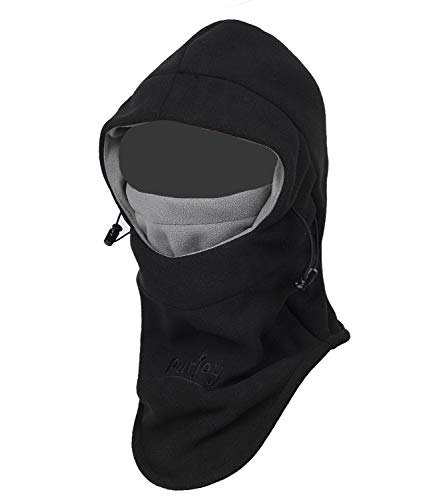
Wearing protective gear reduces injury risks and keeps you comfortable in changing conditions. Layered moisture-wicking clothing insulates while staying dry during intense sledding sessions. Waterproof outerwear, such as snow pants and jackets, shields you from wind and wet snow. Certified snow sport helmets, fitted snugly, give head protection and ensure safety on fast descents, as recommended by the American Academy of Pediatrics. Gloves with grip, goggles for clear vision, and insulated boots—like traction cleats—help maintain control on slick slopes.
Techniques for Staying in Control
Advanced sledding control means combining precise technique with awareness of your surroundings. You’ll gain more command over your sled by adjusting your position, steering with intention, and mastering braking across changing terrain.
Proper Sledding Posture
Stable sledding posture keeps your center of gravity low and gives you better balance on the sled. Sit up straight and lean slightly forward on descents, knees bent, and hands gripping the sides or steering mechanism. Tuck your elbows in and keep your feet inside the sled’s frame to avoid catching obstacles. On bumpy or sloped runs—like tracked hills or icy ridges—shift your weight toward the inside of the turn by leaning with your sled. This technique stabilizes the sled and helps prevent tipping.


Steering and Braking Methods
Responsive steering and controlled braking keep you safe while navigating curves, hills, or crowded slopes. On steerable sleds, use the steering handles or ropes to guide your direction; for disk or toboggan-style sleds, gently use your feet along one edge to shift your path. Apply body pressure—lean into turns for more control on sharp bends or when traveling at higher speeds.
Braking methods differ by sled type and snow texture. Drag your feet gently along the snow for gradual slowing on packed surfaces, but press firmly with both heels if you need to stop quickly on an icy descent. If your sled has hand brakes—common in advanced models—engage them gradually to avoid sudden stops that could toss you forward. Practice stopping on powder and ice to easily adapt when conditions change.
Navigating Challenging Terrain
Challenging sled runs test your skills and amplify the thrill of each descent. Mastery comes from reading the terrain in seconds and adapting to sudden shifts on the snow.
Recognizing Potential Hazards
Spotting hazards keeps every ride controlled and exhilarating. Scan each run for things like buried rocks, icy patches, exposed tree roots, and abrupt drop-offs. After a fresh snowfall, check for hidden branches or uneven surfaces before you glide downhill. Sled with a partner during low-visibility days to help catch hard-to-see dangers. Use your sled’s brakes or shift your weight to avoid icy tracks and steer away from crowds or wildlife if the run gets busy.
Managing Speed on Steep Hills
Controlling your speed on steep grades protects you from wipeouts and collisions. Keep your body low and centered as you approach a drop; press your feet or hands into the snow to slow down as needed. Drag your feet gently if your sled picks up too much speed but lift them when you regain control. Pick sleds with effective brakes for extra steep terrain, like steering sleds or classic toboggans with hand brakes. Practice braking techniques regularly on different slopes so you instinctively react whenever hills get abrupt.
Sledding with Others: Group Safety Tips
Sledding with friends brings energy and spontaneity to every run. Group rides call for sharp awareness and quick reactions to keep the whole crew safe on winter hills.
Communicating and Signaling
Clear communication with others keeps sledding cooperative and safe. Use simple hand signals before starting or stopping—point downhill when ready to launch, raise a hand to request a pause, or wave arms in an “X” to halt the group. Shouting names or calling out warnings, like “left!” or “clear!” in case of sudden obstacles, sharpens awareness across the group. Agree on signals before the first run to avoid confusion.
Safe Distances and Space Management
Maintaining adequate space between sleds preserves everyone’s control. Stagger launches so only one sledder takes off at a time. Wait at least 10–12 feet (about 3–4 meters) between riders, especially on packed runs where speed increases quickly. Group sledding on wide, uncrowded hills lets everyone steer and slow down without risk of collision. When waiting for your turn, stand to the side away from landing areas and climbs to keep clear of incoming sleds. These habits ensure every group session stays fun and accident-free.
Conclusion
When you put advanced sledding safety into practice you’re not just protecting yourself—you’re making every run more fun and rewarding. Staying in control lets you push your limits with confidence and enjoy the thrill of winter without worry.
Make safety second nature and you’ll find that every snowy hill becomes an opportunity for adventure. So grab your gear gather your friends and get ready for unforgettable sledding days ahead.