
There’s nothing quite like the rush of carving through untouched powder on your sled. The snow feels softer the landscape looks magical and every ride promises a new adventure. But deep powder brings its own set of challenges that can test even the most experienced riders.

If you’re ready to level up your sledding game and make the most of those powder days you’ll need more than just enthusiasm. A few smart techniques and some thoughtful preparation can help you ride with confidence and keep the fun going all day.
Understanding Deep Powder Sledding
Deep powder sledding means steering your sled through fresh, ungroomed snow that can reach depths of over 24 inches after a big storm. Powder’s loose, airy structure creates less friction under your runners, so your sled floats higher but responds differently to every shift of weight and throttle. Turns feel wider and more forgiving, but momentum plays a bigger role than in packed snow—the sled can bog down or trench if you slow too much.
Soft powder covers hidden obstacles like buried logs, rocks, and uneven terrain. You need to read the shape of the snow and react quickly to changing conditions. Narrow tree runs, steep bowls, and natural drops offer adventure but also demand fast thinking in deep drifts.
Riding in deep powder uses more energy and keeps your heart rate high. Every time you lean, stand, or correct a line, your legs and core stay engaged. You notice longer days feel more tiring here than on hard-packed trails.
Engine and clutch response changes as powder builds drag and resistance. Deep snow pushes your machine harder, so throttle input and RPM spikes require careful attention to avoid digging yourself into a hole. Every trip into deep snow calls for deliberate line choices, clear planning, and an understanding of how your sled behaves in varying snow densities.
Essential Gear for Advanced Sledding in Deep Powder
Deep powder riding pushes you and your setup to new limits. Gear choices shape your control and comfort as you carve through untouched terrain.
Sled Selection and Modifications
Performance sleds with a long track—144 inches or more—excel in deep powder. Wide tracks, like those over 15 inches, float better and reduce trenching. Deep lugs, usually at least 2.25 inches, dig in and boost traction when snow depth increases. Lightweight chassis models improve maneuverability between trees or over rollovers. High-clearance running boards clear snow build-up and prevent drag. Mountain-specific clutches and aggressive skis enhance response in variable terrain. Examples include Arctic Cat Mountain Cat and Polaris Pro RMK models.
Protective Clothing and Safety Equipment
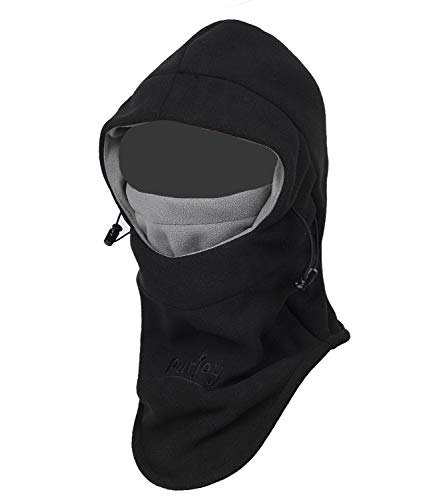
Technical outerwear protects you from deep powder and changing weather. Breathable, waterproof jackets and pants rated above 10,000mm keep moisture out. Insulated gloves, balaclavas, and layered base garments trap heat as you manage effort. Avalanche beacons, probes, and lightweight shovels boost rescue capability if you’re in remote or avalanche-prone zones. A DOT or ECE-certified helmet with a heated visor improves visibility in blowing snow. Avalanche airbag packs increase survival rates if you encounter a slide. Brands like Klim, FXR, and 509 offer gear built for technical riding.
Mastering Advanced Riding Techniques
Advanced sledding in deep powder pushes your skills and energy. Every move counts, and each adjustment keeps you floating and in control.


Positioning and Body Movement
Staying centered on your sled balances traction and steering in powder. Shift your weight to the rear when accelerating, pressing down slightly to lift your ski tips and prevent them from diving. Lean side-to-side—not forward—when carving turns to keep your sled on top of the snow and maintain responsiveness. Stand up through uneven terrain, using your knees as shock absorbers, so you stay agile and ready to counter dips or bumps. Adjust your grip and stance frequently if snow depth varies along your route.
Managing Speed and Momentum
Building steady speed improves flotation and reduces the risk of getting stuck. Maintain consistent throttle through deep sections; ease off too much, and your sled is more likely to bog down. Choose your acceleration points—throttle up right before a climb or drift, and maintain that speed through soft pockets. Avoid aggressive braking in powder, since you lose momentum and sink deeper. Use the terrain’s natural contours to carry momentum, and plan transitions between turns to keep your rhythm smooth through variable snow.
Navigating Challenging Terrain
Deep powder challenges your instincts on every slope. Advanced terrain pushes your riding skills and demands constant adaptation.
Climbing and Descending in Deep Powder
Mastering ascents and descents in deep snow increases your control and safety. Keep your body weight toward the rear suspension during steep climbs, which helps your sled’s skis stay above the powder and improves traction. Control your throttle gently, as sudden bursts increase track spin and dig you into soft snow. On descents, shift your weight forward and maintain a steady, low speed. Use controlled, small adjustments to your handlebars for changes in direction rather than sudden jerks. Engage your brakes gently to avoid fishtailing, as hard braking often buries the front end or flips the sled when powder piles up.
Avoiding Common Hazards
Identifying and reacting quickly to hazards preserves your momentum and ride quality. Watch for hidden obstacles—like buried rocks, logs, or tree wells—that lie beneath fresh powder. Approach tree-lined paths carefully, scanning for soft spots and unexpected dips. Stay clear of avalanche-prone slopes, using avalanche beacons and riding with a partner for added security. Watch for wind-loaded ridges and cornices, which form unstable layers and unexpected drop-offs. Listen to your sled for changes in sound, as sudden muffled noises often signal denser or wetter snow that increases drag or hides obstructions. Always chart your route to minimize sudden stops, as restarting in deep powder drains energy and takes away from your overall run.
Maintenance Tips for Peak Sled Performance
Track Care
Inspect your track before each ride for embedded ice chunks, tears, or missing lugs. Clean the track with a soft brush and knock off ice that can collect after riding in deep powder fields or creek crossings. Check tension and alignment frequently, since powder conditions accelerate wear and can throw off factory settings faster than packed trails.
Clutch and Drivetrain Attention
Clean your clutches after every deep powder session. Open the clutch cover and look for packed snow, ice, or belt residue—wipe every surface thoroughly. Examine the belt for glazing or fiber strands. Replace the belt if it shows uneven wear, since powder sledding puts more demand on acceleration and deceleration than groomed runs.
Ski and Carbide Checks


Tighten ski bolts often and examine carbides for chips. Powder riding often hides rocks or stumps that can nick your ski edges without warning. Replace carbides that show significant flat spots or severe wear to maintain responsive steering, especially in technical terrain.
Cooling and Lubrication
Top up coolant and inspect hoses for leaks every few rides. Deep, soft snow forces the sled to work harder, causing higher engine temperatures even during cold snaps. Grease suspension points and pivot arms regularly, since extra friction from packing snow can dry out critical joints.
Air Intake and Exhaust Care
Clear the air intake of packed snow after every run. Powder can easily clog vents, leading to poor throttle response or rough idle. Check exhaust outlets for ice—sled performance drops if exhaust can’t flow freely, particularly after riding through wet snow cycles.
Battery and Electrical Inspection
Test battery charge before heading out and watch for flickering lights or slow starts, which can signal a weak battery. Deep cold and powder splashes add strain to electrical systems, so dry connectors and check fuses regularly to avoid getting stranded far from the trail.
Fuel System and Additives
Add high-quality fuel stabilizer to every tank. Water vapor from melting powder can contaminate fuel lines, causing sputtering or even stalling when you’re exploring remote bowls. Clean or replace fuel filters every season for dependable throttle control.
By staying vigilant with these maintenance tips, you keep your sled responsive, powerful, and ready for every deep powder adventure.
Conclusion
Deep powder sledding isn’t just about skill—it’s about embracing every challenge and making the most of every ride. When you’re prepared and confident you’ll find each run through fresh snow more rewarding than the last.
Let your passion for adventure guide you as you explore new trails and push your limits. Stay safe enjoy the journey and let the thrill of deep powder keep you coming back for more.