
Skiing can be one of the most exhilarating experiences, especially for beginners. The rush of gliding down a snowy slope is hard to beat. But let’s be honest—starting out can be a bit daunting. I’ve seen countless newcomers make the same mistakes that can turn a fun day on the mountain into a frustrating one.

Understanding Beginner Skiing Mistakes
As an avid skier, I’ve seen many beginners stumble through their first experiences on the slopes. Recognizing common errors can significantly enhance enjoyment and safety. Here’s a breakdown of mistakes to avoid:
- Neglecting Proper Equipment
- Using gear that doesn’t fit properly can impact performance. Ensure boots are snug yet comfortable. Skis should match your skill level and height.
- Overlooking Lessons
- Skipping professional lessons often leads to improper technique. Instructed lessons provide essential skills and boost confidence.
- Forgetting to Warm Up
- Ignoring warm-up exercises can result in injuries. Spend a few minutes stretching to prepare muscles for activity.
- Skiing Too Fast
- Skiing at excessive speeds may lead to loss of control. Focus on maintaining balance instead of racing down the hill.
- Attempting Difficult Terrain Too Soon
- Trying advanced slopes before mastering beginner runs often ends in frustration or accidents. Progress gradually to build skills and confidence.
By addressing these common mistakes, you’ll find skiing becomes more enjoyable and manageable, paving the way for great winter adventures.
Mistake 1: Poor Posture
Poor posture can seriously impact your skiing experience. Many beginners struggle with stance, which can lead to decreased control and increased risk of falls. Staying aware of your body positioning makes a significant difference in performance and safety on the slopes.
Importance of a Proper Stance
A proper stance enhances balance and control. Keeping your knees slightly bent and your weight centered over your skis allows for easier turns and better absorption of bumps. Aligning your shoulders with your hips and facing downhill promotes stability, enabling you to react quickly to changes in terrain. Remember to keep your arms forward in a relaxed position; this helps maintain balance and readiness.
Tips for Maintaining Balance
- Focus on your center of gravity: Position your weight over the middle of your skis.
- Keep your hips forward: Draw your hips towards the front of your boots for better balance.
- Stay relaxed: Tension leads to stiffness, which can hinder movement.
- Practice looking ahead: Keeping your eyes focused downhill helps you anticipate and react.
- Engage your core: A strong core supports stability, making it easier to maneuver during turns.
Maintaining a proper posture ultimately improves your skiing experience, making it more enjoyable and less stressful on the slopes.
Mistake 2: Overexertion
Many beginners push themselves too hard on the slopes, thinking they can tackle it all in one go. It’s vital to recognize personal limits to ensure both safety and enjoyment.
Knowing Your Limits
Understanding your limits is crucial when beginning your skiing journey. I’m well aware that the thrill of skiing can lead to overexertion. Avoid chasing after friends or attempting runs that seem above your skill level. Instead, focus on mastering fundamental techniques before progressing. Choosing slopes that match your skill level helps build confidence and reduces the risk of injury.
The Importance of Regular Breaks
Taking regular breaks is key to maintaining energy and focus throughout the day. Skiing requires both physical stamina and mental sharpness; fatigue can impair judgment. I always make it a point to stop every hour or so, enjoying a warm drink or a light snack. This practice keeps me refreshed and ready to tackle the next run, ensuring I have a great day on the mountain.
Mistake 3: Incorrect Use of Equipment
Using the right equipment correctly is vital for a successful skiing experience. Many beginners miss this aspect, leading to discomfort and compromised performance on the slopes.


Choosing the Right Gear
Choosing appropriate gear enhances safety and enjoyment. I recommend beginners invest in properly fitting skis, boots, and poles. Skis should match the skier’s height, weight, and skill level, while boots should provide a snug fit without causing pain. When selecting poles, consider their height—standing on flat ground, the handles should reach your waist. Rental shops offer advice on equipment selection, ensuring you’re set up for success.
How to Properly Adjust Skis and Boots
Properly adjusting skis and boots ensures maximum control and comfort while skiing. Start with your boots; tightly secure them but avoid over-tightening to prevent circulation issues. Skis should also undergo pre-ride checks. Make sure bindings are adjusted to your weight and ability level. I always double-check my setup before hitting the slopes to avoid mid-run adjustments. Regularly inspect your equipment for wear or damage, especially after a day on the mountain. Following these steps guarantees a safer skiing experience and boosts confidence on the slopes.
Mistake 4: Neglecting Weather Conditions
Weather conditions significantly impact skiing experiences. Many beginners underestimate the importance of checking forecasts and understanding how weather affects slopes. Proper preparation can greatly enhance safety and enjoyment.
Assessing Snow Quality
Snow quality varies with temperature and precipitation. I always check for conditions like powder, slush, or icy patches. Powdery snow provides a soft landing, while icy spots can lead to slips. Observing the snow can help me choose the right trails. Remember, early morning often offers the best conditions as temperatures drop overnight, leading to firmer, more manageable surfaces.
Dressing Appropriately for the Weather
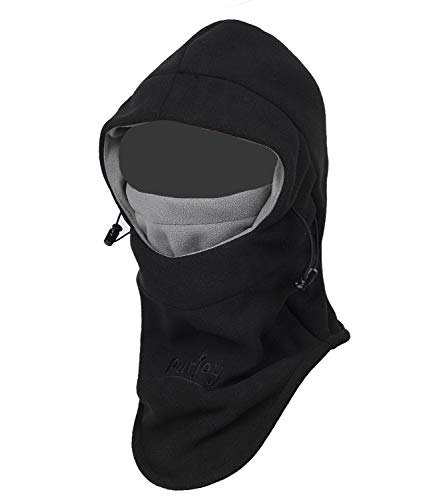
Wearing suitable clothing makes a difference in comfort on the slopes. I layer my clothing to adjust to fluctuating temperatures throughout the day. Base layers wick moisture, while insulating layers keep warmth. A waterproof and breathable outer layer protects against wind and snow. Don’t forget essentials like gloves, a hat, and neck gaiters to keep extremities warm. Staying dry ensures I stay focused on enjoying the ride rather than feeling miserable in the cold.
Mistake 5: Skipping Lessons
Skipping lessons is a common beginner mistake that can lead to frustration and accidents. Investing time in professional instruction significantly enhances the skiing experience.
Benefits of Professional Instruction
Professional instructors provide valuable knowledge and skills that boost confidence and safety on the slopes. They teach essential techniques, like proper carving and stopping transitions, which allow beginners to navigate faster and more challenging terrain with ease. Instructors also offer real-time feedback, helping newbies correct their posture and movements. This guidance shortens the learning curve, making it easier to enjoy skiing without developing bad habits that can be tough to break later on.
Finding the Right Ski School
Finding the right ski school makes a difference in learning effectively. Look for schools that have certified instructors experienced with beginners. Consider the class size; smaller groups ensure more personalized attention. Research the school’s reputation by reading reviews and asking fellow skiers for recommendations. Additionally, check if they offer equipment rentals, as packages can simplify your experience. Choosing the right ski school sets the foundation for a fun and safe journey into the world of skiing.
Conclusion
Skiing is such an exhilarating experience and I truly believe that avoiding these common mistakes can make all the difference for beginners. By focusing on the right equipment and taking lessons from skilled instructors I’ve seen how much more enjoyable and safe skiing can be.
Remember to listen to your body and don’t push yourself too hard. Taking breaks and staying aware of weather conditions can keep you comfortable and focused on the slopes.



So grab your gear and hit the mountain with confidence. Embrace the learning process and enjoy every moment on your skiing journey. Happy skiing!